
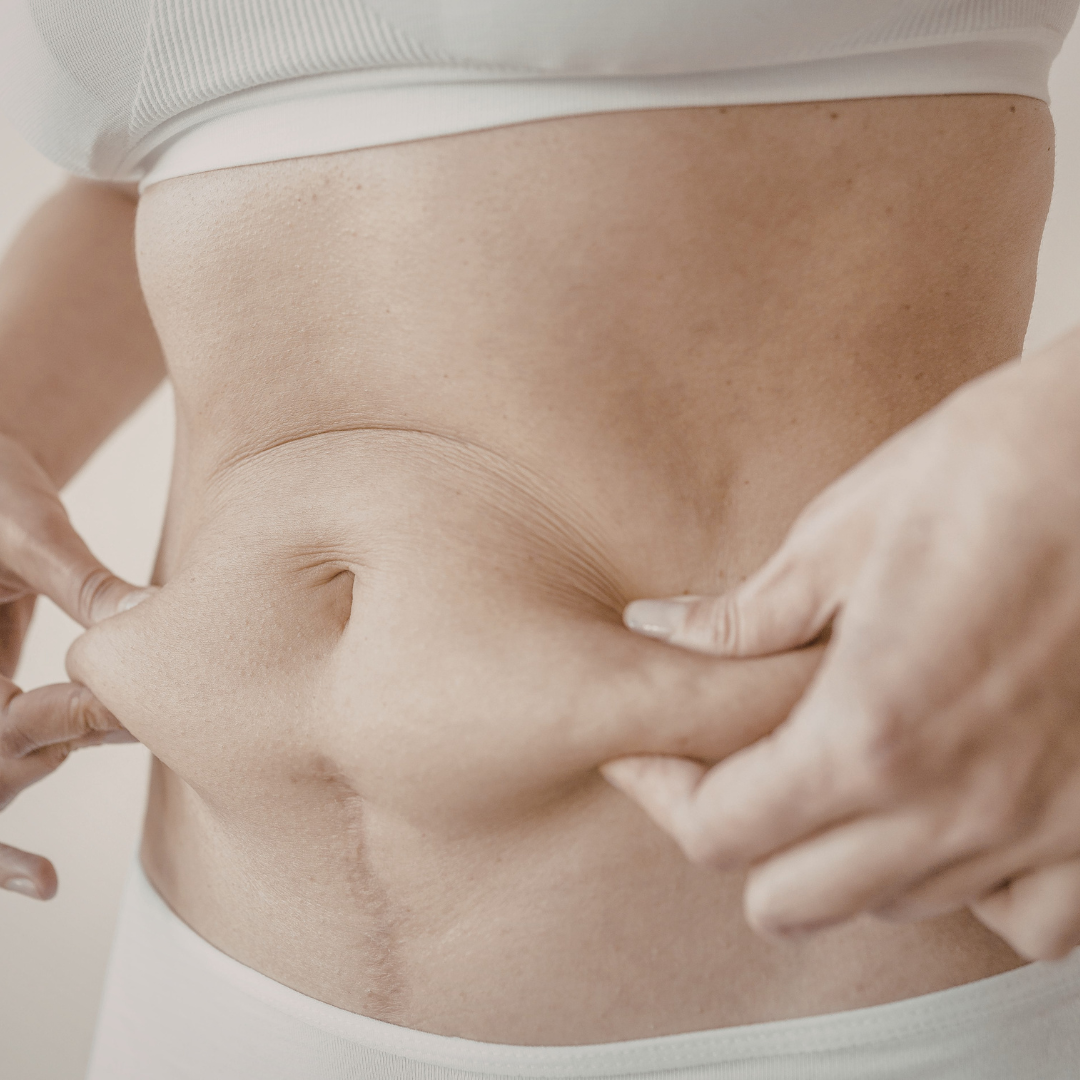
Many women come to us after pregnancy with the same concern.
They have lost weight, returned to exercise, and yet their abdomen does not feel or look the way they expected. Some feel discomfort. Others notice weakness, changes in posture, or a persistent bulge that does not respond to effort.
From a medical point of view, this is where assessment becomes essential.
An abdominal evaluation after pregnancy is not about deciding on surgery straight away. It is about understanding what has changed, what has recovered, and what has not. Only then can appropriate advice be given.
Why Visual Judgement Is Not Enough
One of the most common misconceptions is that the abdomen can be assessed by appearance alone.
In reality, similar looking abdomens can have very different underlying causes.
What may appear to be excess fat in one woman may be muscle separation or weakened connective tissue in another. Without a proper clinical assessment, it is easy to draw the wrong conclusions and pursue ineffective solutions.
This is why doctors do not rely on photographs or online comparisons when evaluating post pregnancy changes.
The First Step. Understanding Your Medical History
Assessment always starts with a detailed medical history.
Pregnancy related changes depend on several factors, including the number of pregnancies, mode of delivery, weight fluctuations, previous abdominal surgery, and how the body healed over time.
Symptoms such as lower back discomfort, core weakness, or functional limitation during movement are also important indicators. These details help the doctor understand not just how the abdomen looks, but how it functions.
Evaluating Muscle Separation
One of the key elements assessed is the abdominal musculature.
Doctors examine whether there is diastasis recti, which refers to a separation of the abdominal muscles caused by stretching of connective tissue during pregnancy. The width, depth, and functional impact of this separation are all relevant.
Not all muscle separations are the same. Some may improve with targeted rehabilitation, while others remain structurally compromised despite exercise.
Understanding this difference is critical before discussing any treatment options.
Assessing Skin Quality And Elasticity
Skin plays a major role in post pregnancy abdominal changes.
Doctors evaluate skin thickness, elasticity, and how well it has adapted after stretching. Loose or excess skin does not respond to exercise and cannot be corrected through weight loss alone.
Skin quality also influences surgical planning if a tummy tuck or mummy makeover is being considered. It affects incision placement, tension management, and the predictability of the final result.
Analysing Fat Distribution
Fat is assessed separately from muscle and skin.
Doctors look at where fat is distributed, how deep it is, and whether it is superficial or deeper within the abdominal wall. This distinction matters because different types of fat respond differently to lifestyle changes or surgical techniques.
Liposuction, for example, may be appropriate in some cases, but it is not a solution for muscle separation or loose skin.
Functional Assessment And Posture
A thorough abdominal assessment goes beyond anatomy.
Doctors also evaluate posture, core stability, and how the abdomen behaves during movement. Weakness in the abdominal wall can affect spinal support and overall body mechanics.
These functional aspects often explain why some women feel discomfort or instability even when they are physically active and at a healthy weight.
Why Assessment Determines The Right Path Forward
The purpose of assessment is not to recommend surgery by default.
In many cases, reassurance, targeted rehabilitation, or simply understanding the nature of the changes can already bring clarity and relief. In other cases, surgical options may be discussed, but only when they are appropriate and medically justified.
This is why two women with similar concerns may receive very different recommendations.
Why Professional Evaluation Matters Before Surgery
For those considering a tummy tuck or mummy makeover, assessment is the most important part of the journey.
Surgery is not a standardised procedure. Results depend on anatomy, tissue quality, healing response, and realistic planning. Without proper evaluation, expectations can easily become misaligned with what surgery can actually achieve.
A careful assessment allows the doctor to explain what can be improved, what will not change, and what outcome is realistic for that individual body.
A Reassuring And Informed Decision
An abdominal assessment after pregnancy should feel informative, not pressuring.
At Clinic Phaselis, our role is to provide clear, honest guidance based on medical understanding, not trends or comparisons. Whether surgery is appropriate or not, the goal is the same. Helping patients make informed decisions with confidence.
If you are considering a mummy makeover, tummy tuck, or simply want to understand your post pregnancy body better, a professional assessment is the safest and most reliable starting point.
Clear decisions begin with proper understanding.
Take The First Step With Expert Assessment
If you are unsure what is causing your post pregnancy abdominal changes, a professional medical assessment can provide clarity and reassurance.
A free consultation allows you to discuss your body changes, pregnancy history, and concerns with an experienced medical team in a calm, supportive setting. You will receive honest guidance based on clinical evaluation, not assumptions, and clear answers about what can realistically be improved.
There is no pressure and no obligation. The goal is simply understanding your body and the options available to you.
👉 Request Your Free Online Consultation
📞 UK Line +44 330 777 2205
💬 WhatsApp support available