
What Does a Mummy Makeover Fix After Pregnancy?
Pregnancy is one of the most transformative experiences for the body. However, some physical changes may remain long after childbirth. A mummy makeover is a surgical approach designed to address specific post pregnancy body changes affecting the abdomen, breasts and body contour.
Loose abdominal skin, muscle separation and breast changes are among the most common concerns reported by women months or even years after pregnancy.
A mummy makeover does not aim to reverse pregnancy itself. Instead, it addresses specific anatomical changes that may occur during pregnancy and childbirth.
Understanding what these changes are, and how they may be addressed surgically, helps women make informed decisions about their options.
Quick Summary: What a Mummy Makeover Can Address After Pregnancy
A mummy makeover may help address several structural body changes that can remain after pregnancy.
These may include:
- repair of separated abdominal muscles (diastasis recti)
- removal of loose or excess abdominal skin
- treatment of stubborn fat deposits around the abdomen or waist
- restoration of breast volume or correction of breast sagging
Each treatment plan is personalised following medical consultation, depending on the patient’s anatomy, health and goals.
What Does a Mummy Makeover Fix After Pregnancy?
A mummy makeover is designed to address several physical concerns that can remain after pregnancy. These typically involve the abdomen, breasts and body contour.
Common issues that may be addressed during a mummy makeover include:
- separated abdominal muscles (diastasis recti)
- loose or excess abdominal skin
- localised fat deposits around the abdomen or waist
- breast sagging or loss of volume after breastfeeding
The exact combination of procedures depends on each patient’s anatomy, medical history and goals. A personalised surgical plan is always created following medical consultation.
Why Pregnancy Can Permanently Change the Body
During pregnancy, the body adapts to support the growth of the baby. The abdominal wall stretches, skin expands and breast tissue changes in response to hormonal fluctuations.
In many cases, the body gradually recovers. However, certain tissues do not always return fully to their previous state.
Several factors influence how the body heals after pregnancy, including:
- the number of pregnancies
- genetic skin elasticity
- age
- weight fluctuations
- the degree of abdominal stretching
Because of these variables, two women with similar pregnancies may experience very different physical outcomes.
The Most Common Post Pregnancy Changes
Although each patient is unique, surgeons frequently observe several recurring concerns following pregnancy.
Abdominal Muscle Separation (Diastasis Recti)
During pregnancy the abdominal muscles naturally separate to allow space for the baby. In many women these muscles gradually return to their original position after childbirth.
However, in some cases the separation remains. This condition is known as diastasis recti.
Persistent muscle separation may contribute to:
- a protruding abdominal appearance
- reduced core strength
- difficulty achieving a flat stomach even with exercise
When present, muscle repair may be performed as part of a tummy tuck procedure.
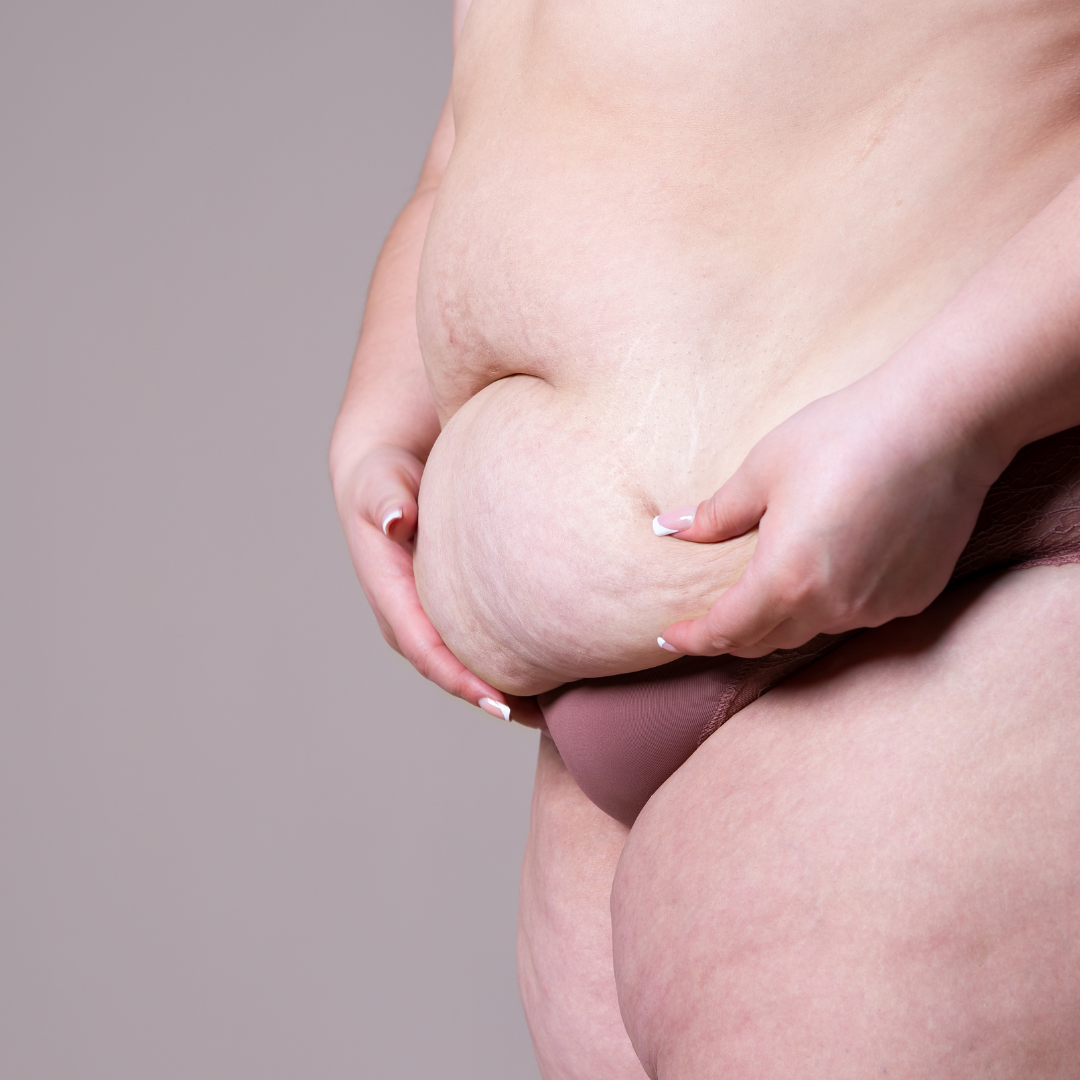
Loose or Excess Abdominal Skin
The skin stretches significantly during pregnancy. Although some elasticity returns after delivery, the degree of recovery varies.
In some women, the skin remains loose or forms folds in the lower abdomen. This is particularly common after multiple pregnancies or significant weight fluctuations.
When excess skin does not retract naturally, surgical removal may be considered to restore a smoother abdominal contour.
Localised Fat Deposits
Pregnancy can also alter the way fat is distributed throughout the body. Some women notice persistent fat pockets around the abdomen, waist or flanks that remain resistant to diet and exercise.
These areas may sometimes be addressed through liposuction, which removes localised fat deposits and refines body contour.
It is important to note that liposuction is not intended as a weight loss procedure.
Breast Volume Loss or Sagging
Breasts undergo substantial changes during pregnancy and breastfeeding.
After breastfeeding ends, some women experience reduced breast volume, while others notice sagging due to stretched skin and supporting ligaments.
Depending on the individual case, breast surgery within a mummy makeover may involve:
- breast uplift
- breast augmentation
- a combination of both procedures
The goal is usually to restore proportion and balance rather than create an exaggerated appearance.
Why Diet and Exercise Are Not Always Enough
Maintaining a healthy lifestyle after pregnancy remains essential. Exercise helps rebuild strength, while balanced nutrition supports overall wellbeing.
However, some structural changes cannot always be corrected through lifestyle measures alone.
For example:
- separated abdominal muscles cannot fully reconnect through exercise in many cases
- excess skin cannot tighten significantly once elasticity is lost
- certain fat deposits may remain resistant to diet and exercise
When these factors are present, surgery may be considered as one of several options available to patients.
How a Mummy Makeover Addresses These Changes
A mummy makeover is not a single procedure. It is a customised combination of surgeries designed to address multiple concerns within one treatment plan.
Depending on the patient’s needs, procedures may include:
- tummy tuck with abdominal muscle repair
- liposuction for body contouring
- breast uplift
- breast augmentation when volume restoration is required
The specific combination varies for each patient and is determined during medical consultation.
Not all women require every procedure.
Why Some UK Patients Consider a Mummy Makeover in Turkey
In recent years, many UK patients have explored the possibility of undergoing a mummy makeover in Turkey.
This is often due to the availability of specialised surgeons, internationally accredited hospitals and structured recovery programmes designed for international patients.
Clinics experienced in treating overseas patients typically organise the full treatment journey, which may include hospital care, recovery accommodation and follow-up support.
As with any medical decision, careful research and professional consultation are essential before proceeding with surgery.
Is a Mummy Makeover the Right Choice for Everyone?
A mummy makeover is typically considered by women who:
- have completed their pregnancies
- are close to a stable weight
- are in good overall health
- have realistic expectations about results
Suitability depends on several individual factors, including general health, weight stability, future pregnancy plans and the procedures being considered. Read more about who may be a suitable Mummy Makeover candidate.
It is not intended as a substitute for healthy lifestyle habits and should only be considered following a thorough medical evaluation.
Every surgical procedure carries risks and requires careful assessment by a qualified surgeon.
A Balanced Perspective
The aim of a mummy makeover is not to recreate the body exactly as it was before pregnancy. Instead, it focuses on addressing specific structural concerns that may remain after childbirth.
For many women, understanding the underlying causes of these changes is the first step toward deciding whether surgical or non surgical options may be appropriate.
Clear information helps patients make decisions based on realistic expectations.
Patients concerned about maintaining proportion rather than creating an exaggerated change can also explore what contributes to natural-looking Mummy Makeover results.
Considering a Mummy Makeover?
If you are exploring a mummy makeover and would like to understand how the procedure may apply to your individual situation, a structured consultation allows you to discuss:
- your specific post pregnancy concerns
- whether surgery may be appropriate
- the procedures that may be involved
- expected recovery and planning
Recovery varies according to the procedures performed and the individual patient. Our Mummy Makeover recovery timeline explains the typical stages of healing week by week.
A professional medical evaluation is always the safest starting point.
📞 UK Line: +44 330 777 2205
📞 Turkey Line: +90 542 159 09 07
You may also request a free online consultation to receive personalised guidance from the Clinic Phaselis team.
Frequently Asked Questions
Does every woman need a tummy tuck after pregnancy?
No. Some women recover abdominal tone naturally after pregnancy. A tummy tuck is typically considered when muscle separation or excess skin remains.
Can exercise fix diastasis recti completely?
Targeted exercises may improve core strength, but significant muscle separation may require surgical repair in certain cases.
Is a mummy makeover only cosmetic?
The procedure is primarily aesthetic, but abdominal muscle repair performed during a tummy tuck may also improve abdominal support and posture in some patients.
How long after pregnancy can surgery be considered?
Many surgeons recommend waiting until the body has stabilised after pregnancy and breastfeeding has ended. A consultation helps determine the appropriate timing.
–
For the full process, costs and what is included, explore our complete Mummy Makeover in Turkey page.