
What Happens to Your Body After Pregnancy? The Changes Plastic Surgeons Assess Before Recommending Treatment
Pregnancy transforms the body in remarkable ways. While many physical changes improve naturally during recovery, others may remain despite maintaining a healthy lifestyle and stable body weight. During a plastic surgery consultation, experienced surgeons assess much more than appearance alone. They carefully evaluate the skin, abdominal wall, breasts, fat distribution and overall body proportions to understand how pregnancy has affected each patient. This personalised assessment helps surgeons determine which treatment options may be appropriate while considering patient safety, anatomy, body proportions and individual goals.
Key Points
- Pregnancy affects multiple anatomical structures, not simply body weight.
- Recovery varies considerably from one woman to another.
- Some post-pregnancy changes improve naturally, while others may persist over time.
- Plastic surgeons assess the entire body before recommending treatment.
- Every treatment plan should reflect the patient’s unique anatomy rather than comparisons with other women.
What Happens to Your Body After Pregnancy?
Pregnancy is one of the most significant physical transformations the body can experience.
Over several months, the skin stretches, the abdominal muscles adapt, breast tissue changes and body proportions gradually evolve to support the developing baby. Together, these changes allow the body to accommodate pregnancy safely while preparing for childbirth and, in many cases, breastfeeding.
Following delivery, recovery begins almost immediately.
For many women, this natural healing process gradually restores much of their pre-pregnancy appearance. However, recovery does not follow the same pattern for everyone.
Some women notice very few long-term changes. Others continue to experience loose abdominal skin, changes in breast volume, muscle separation or localised fat deposits months or even years after giving birth.
Importantly, recovery varies considerably between individuals.
These differences are not simply determined by body weight or lifestyle alone. Instead, they reflect how each woman’s skin, muscles, connective tissues and body proportions respond to pregnancy, childbirth and recovery.
Consequently, experienced plastic surgeons never evaluate post-pregnancy body changes by looking only at the scales.
Instead, they assess the underlying anatomical changes that remain after pregnancy before recommending any treatment.
Why Understanding These Changes Is So Important
Many women naturally compare their recovery with friends, family members or photographs shared online.
However, these comparisons rarely tell the whole story.
For example, two women may have experienced similar pregnancies, returned to the same body weight and followed comparable exercise routines. Nevertheless, their bodies may still look very different.
This happens because pregnancy affects several anatomical structures simultaneously rather than a single body area.
Although body weight may return to its previous level, the skin, abdominal wall, breasts and connective tissues may recover differently in every individual.
Therefore, experienced plastic surgeons begin every consultation by understanding how pregnancy has affected the patient’s anatomy, rather than focusing on body weight alone.
Instead of asking,
“How much weight has this patient gained or lost?”
they ask a much more clinically relevant question:
“Which anatomical changes remain after pregnancy, and how do they influence this patient’s body today?”
The answer forms the foundation of every personalised treatment recommendation.
Clinical Insight
Pregnancy changes far more than body weight.
It influences the skin, abdominal muscles, connective tissues, breasts and overall body proportions simultaneously.
Understanding how these anatomical structures have changed allows plastic surgeons to recommend treatment based on clinical findings rather than assumptions or comparisons with other patients.
The Five Anatomical Areas Plastic Surgeons Assess
Although every patient is unique, experienced plastic surgeons consistently evaluate the same key anatomical structures during a post-pregnancy consultation.
Rather than concentrating on a single concern, they assess how these structures interact to influence the body’s overall appearance.
| Anatomical Area | Why It Is Assessed | Possible Long-Term Changes |
| Skin | Evaluates elasticity and natural skin contraction | Loose skin or reduced elasticity |
| Abdominal Wall | Assesses muscle integrity and abdominal support | Diastasis Recti or abdominal weakness |
| Breasts | Evaluates volume, symmetry, position and skin quality | Volume loss, breast ptosis or shape changes |
| Fat Distribution | Identifies localised fat deposits and contour irregularities | Persistent fullness around the abdomen, waist or flanks |
| Body Proportions | Assesses harmony between different body regions | Changes in waist definition and overall silhouette |
Importantly, these anatomical structures rarely change to the same degree in every woman.
Consequently, two patients with similar body weight may present with completely different anatomical findings.
For this reason, personalised assessment remains one of the most important stages of planning body contouring after pregnancy.
In Summary
Although pregnancy affects every woman differently, experienced plastic surgeons consistently assess the same key anatomical structures before recommending treatment.
By understanding how the skin, abdominal wall, breasts, fat distribution and body proportions have changed, surgeons can recommend treatments that reflect the individual patient’s anatomy rather than relying on body weight or comparisons with other women.
Changes to the Abdominal Wall: More Than Muscle Separation
One of the first areas plastic surgeons assess after pregnancy is the abdominal wall.
Throughout pregnancy, the abdominal muscles and surrounding connective tissues gradually stretch to accommodate the growing uterus. This adaptation is completely normal and plays an essential role in supporting both the mother and the developing baby.
Following childbirth, the body begins a natural recovery process. For many women, the abdominal muscles gradually return towards their original position. However, recovery is highly individual and may not be complete in every case.
Sometimes, the connective tissue between the abdominal muscles remains stretched, allowing the muscles to separate. This condition is known as Diastasis Recti.
Diastasis recti may involve more than changes in abdominal appearance.
In some patients, it may be associated with changes in abdominal function or core stability as well as abdominal contour. Consequently, experienced plastic surgeons assess the abdominal wall carefully rather than assuming that a persistent abdominal bulge is caused by body fat alone.
Instead, they evaluate how the abdominal muscles, connective tissues and overlying skin work together before discussing any treatment options.
Clinical Insight
A protruding abdomen after pregnancy is not always related to excess fat. Abdominal contour can be influenced by several factors, including skin laxity, fat distribution and changes to the abdominal wall. Identifying which factors are present is an important part of individual assessment and treatment planning.
Skin Elasticity: Why Recovery Differs From One Woman To Another
Skin has an extraordinary ability to stretch throughout pregnancy.
After childbirth, it naturally begins to contract as the body recovers. Nevertheless, the degree of recovery varies considerably between individuals.
Several biological factors influence skin elasticity, including:
- Genetics
- Age
- Collagen and elastin quality
- Previous weight fluctuations
- The degree of stretching during pregnancy
- Individual connective tissue characteristics
As a result, two women who return to the same body weight may still experience very different skin recovery.
One woman may regain firm, well-contracted skin.
Another may continue to notice loose skin despite exercising regularly and maintaining a healthy lifestyle.
Importantly, this difference does not reflect motivation or fitness.
Instead, it reflects how each person’s connective tissues respond to pregnancy over time.
Therefore, skin quality is always assessed alongside every other anatomical change during a plastic surgery consultation.
In Summary
Body weight alone cannot predict how the skin will recover after pregnancy.
Instead, skin elasticity depends on several biological factors that vary naturally from one woman to another.
Understanding skin quality helps plastic surgeons evaluate the patient’s anatomy more accurately before recommending treatment.
Breast Changes After Pregnancy And Breastfeeding
Pregnancy and breastfeeding may influence the breasts just as much as the abdomen.
During pregnancy, hormonal changes prepare the breasts for milk production. Afterwards, breast tissue may gradually reduce in volume as the body adapts following pregnancy and breastfeeding.
However, these changes differ significantly between individuals.
Some women notice only subtle differences.
Others experience more noticeable changes that affect both breast shape and overall body balance.
Common anatomical changes include:
- Reduced upper breast fullness
- Loss of breast volume
- Skin laxity
- Changes in nipple position
- Breast ptosis (drooping)
- Mild breast asymmetry
Rather than assessing the breasts in isolation, experienced plastic surgeons evaluate how they contribute to the body’s overall proportions.
Consequently, treatment planning focuses on restoring natural harmony rather than improving a single anatomical area.
Patients concerned about breast position, volume or shape after pregnancy can also explore our Breast Lift in Turkey page to understand how breast changes are assessed and which treatment options may be considered.
When post-pregnancy breast changes involve loss of volume, changes in breast position or both, different surgical approaches may be considered. Our guide to breast lift vs breast augmentation explains the key differences and why the appropriate option depends on individual breast anatomy and treatment goals.
Fat Distribution After Pregnancy
Pregnancy may influence not only body weight but also the way body fat is distributed.
Consequently, some women continue to notice localised fat deposits even after returning to their previous weight.
These areas commonly include:
- Lower abdomen
- Waist
- Flanks
- Lower back
Importantly, localised fat does not necessarily indicate overall weight gain.
Instead, it often reflects natural changes in body composition following pregnancy.
For this reason, plastic surgeons evaluate both the amount and the location of fat before discussing treatment options.
Equally importantly, they assess how fat interacts with skin quality, muscle support and overall body proportions.
Only by considering these anatomical structures together can they develop an accurate understanding of the patient’s body.
Why Body Proportions Matter More Than Individual Areas
Many patients naturally focus on one area that concerns them most.
For example, some women are primarily concerned about loose abdominal skin, while others focus on changes in breast volume or waist definition.
However, experienced plastic surgeons take a broader approach.
Rather than evaluating individual body areas separately, they assess how every anatomical structure contributes to the body’s overall balance.
For example, a patient concerned about both abdominal and breast changes may wish to discuss how each area contributes to her overall treatment goals.
For patients considering surgery, treatment planning should consider overall proportions as well as the individual areas they wish to address.
Ultimately, the objective is to achieve balanced, natural-looking results that complement each patient’s unique anatomy.
Which Changes May Improve Naturally?
Many women ask whether every post-pregnancy body change will improve naturally over time.
The answer depends on the anatomical structure involved.
Some changes gradually improve as recovery progresses.
Others may persist despite maintaining a stable weight, exercising regularly and following a healthy lifestyle.
The table below provides a general overview.
| Post-Pregnancy Change | May Improve During Recovery | May Persist |
| Mild skin stretching | ✓ | |
| Temporary fat gain | ✓ | |
| Reduced muscle tone | ✓ | |
| Loose abdominal skin | ✓ | |
| Significant Diastasis Recti | ✓ | |
| Breast volume loss | ✓ | |
| Breast ptosis | ✓ | |
| Changes in body proportions | ✓ |
These are general examples only. Recovery varies between individuals, and the presence or persistence of a particular change should be assessed clinically rather than predicted from a table alone.
Although these examples reflect common patterns, every woman’s recovery is unique.
Therefore, they should never be interpreted as fixed outcomes.
Instead, they demonstrate why personalised clinical assessment remains one of the most important stages of planning body contouring after pregnancy.
Key Clinical Takeaway
Pregnancy changes the relationship between the skin, abdominal wall, breasts, fat distribution and body proportions.
Consequently, successful treatment planning begins by understanding how these structures have recovered together rather than assessing one body area in isolation.
This comprehensive approach allows plastic surgeons to recommend treatments that are personalised, balanced and appropriate for each individual patient.
How Plastic Surgeons Assess These Changes Before Recommending Treatment
Understanding the physical changes that occur after pregnancy is only the beginning.
The next step is determining how those changes affect the individual patient.
For this reason, experienced plastic surgeons never recommend treatment based solely on photographs, body weight or one specific concern.
Instead, every consultation includes a structured clinical assessment that evaluates the body as a whole.
Although every patient presents differently, surgeons typically assess the following areas before discussing treatment options.
| Assessment Area | Why It Matters | How It Influences Treatment Planning |
| Skin quality | Evaluates elasticity and tissue quality | Helps determine how the skin contributes to body contour |
| Abdominal wall | Assesses muscle integrity and support | Identifies changes such as Diastasis Recti |
| Fat distribution | Evaluates contour and body composition | Assesses how localised fat affects body balance |
| Breasts | Reviews volume, symmetry and position | Helps understand overall body proportions |
| Existing scars | Evaluates previous surgery or healing | Supports realistic surgical planning |
| Body proportions | Assesses overall harmony | Helps create balanced and natural-looking results |
| General health and lifestyle | Considers recovery and long-term wellbeing | Supports personalised treatment recommendations |
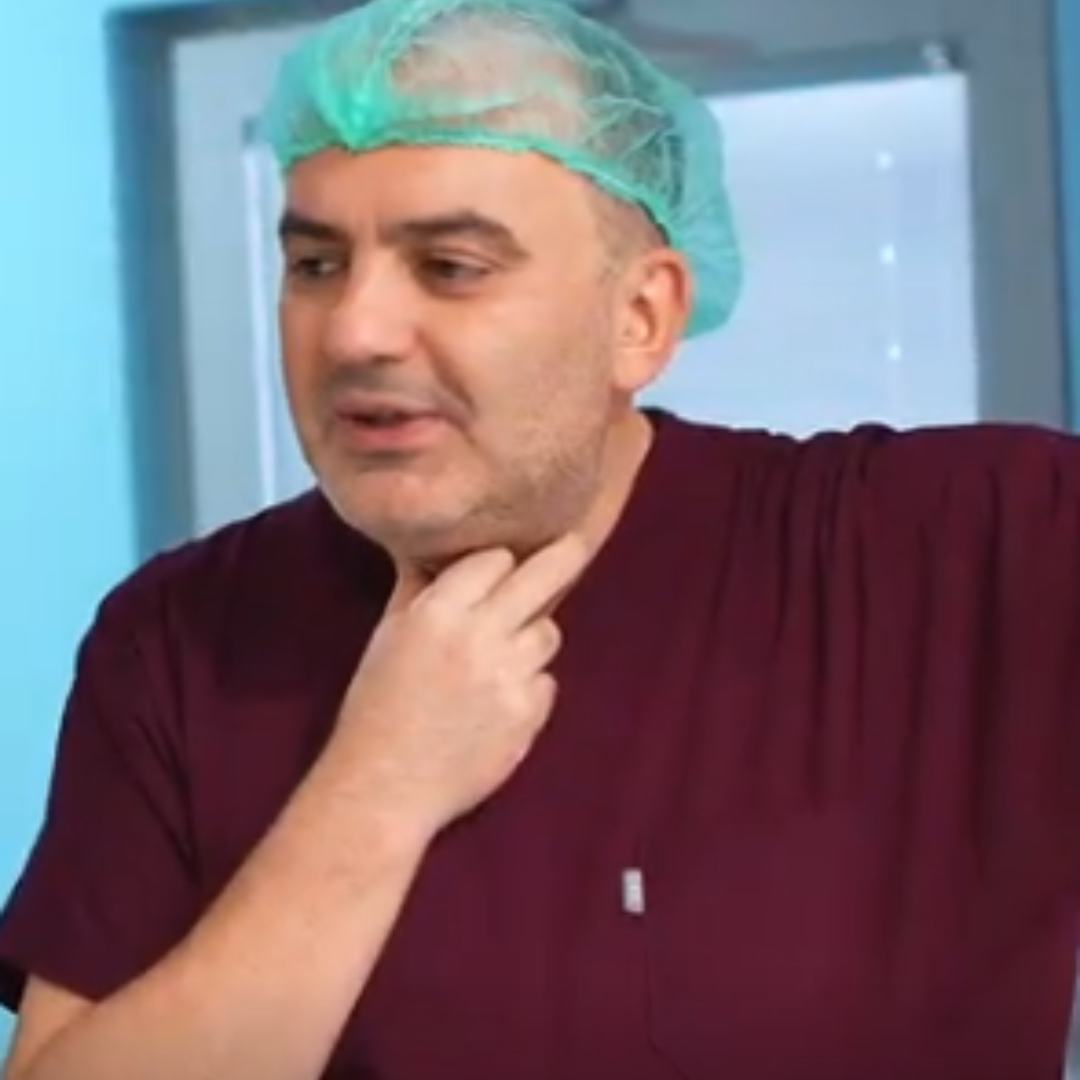
At Clinic Phaselis, Dr İsmail Gökhan Bacak assesses each patient’s anatomy and medical circumstances before discussing an individual surgical treatment plan.
Each finding contributes to the overall clinical assessment.
Consequently, surgeons do not begin by selecting a procedure.
Instead, they first identify which anatomical changes remain after pregnancy and then explain how those findings influence the available treatment options.
In Summary
Treatment planning begins with understanding anatomy rather than choosing an operation.
Therefore, two women with apparently similar post-pregnancy bodies may receive different recommendations because their underlying anatomical changes are different.
Why Personalised Assessment Always Comes Before Treatment
Many women begin researching cosmetic surgery by comparing procedures.
They often ask whether they need a Tummy Tuck, a Mummy Makeover, Liposuction or a Breast Lift.
Although these are understandable questions, experienced plastic surgeons approach the consultation differently.
Rather than starting with a procedure, they start with the patient’s anatomy.
For example, one woman may mainly be affected by loose abdominal skin.
Another may have significant muscle separation.
Meanwhile, someone else may have recovered well abdominally but experienced more noticeable breast changes.
Although these women may appear similar initially, their underlying anatomy may be completely different.
Consequently, treatment recommendations should never follow a standard formula.
Instead, every recommendation should reflect the patient’s anatomy, overall health, expectations and long-term goals.
This personalised approach helps ensure that treatment is appropriate for the individual rather than based on assumptions or comparisons with other patients.
Surgeon’s Perspective
Every pregnancy changes the body differently.
Our role is not to recommend the same procedure for every patient, but to understand how pregnancy has affected each individual’s anatomy before discussing the most appropriate treatment options.
This careful assessment helps inform treatment planning while considering patient safety, anatomy, expectations and individual goals.
Frequently Asked Questions
Does every woman’s body change in the same way after pregnancy?
No.
Every pregnancy is different, and so is every recovery. While some women experience minimal long-term anatomical changes, others may notice persistent loose skin, changes in breast volume, localised fat deposits or abdominal muscle separation. Genetics, age, connective tissue quality and individual healing all contribute to these differences. Consequently, experienced plastic surgeons assess every patient individually rather than comparing one woman’s recovery with another.
Why do plastic surgeons assess more than body weight?
Body weight provides only limited information about post-pregnancy recovery.
During a consultation, surgeons also evaluate skin elasticity, abdominal muscles, breast anatomy, fat distribution and overall body proportions. Together, these findings provide a much clearer understanding of the patient’s anatomy and help guide personalised treatment recommendations.
Can exercise improve every post-pregnancy body change?
Regular exercise can support general health, fitness, strength and wellbeing after pregnancy. However, some anatomical changes, such as significant excess skin or certain changes affecting the abdominal wall or breasts, may persist. Individual assessment can help clarify which factors are contributing to a patient’s concerns.
Why do some women develop loose skin after pregnancy?
During pregnancy, the skin stretches to accommodate the growing baby.
After childbirth, it naturally begins to contract. However, the extent of recovery depends on several biological factors, including collagen quality, age, genetics and the amount of stretching that occurred during pregnancy. Consequently, skin recovery varies considerably between individuals.
Why can two women of the same weight look completely different after pregnancy?
Body weight is only one part of recovery.
Pregnancy also affects the skin, abdominal muscles, connective tissues, breasts and body proportions. As a result, two women with identical body weight may present with very different anatomical changes, leading to different clinical assessments and treatment recommendations.
Why is a personalised consultation important?
A consultation allows experienced plastic surgeons to understand how pregnancy has affected your individual anatomy.
Rather than recommending treatment based on photographs or assumptions, they evaluate the skin, abdominal wall, breasts, fat distribution and body proportions before discussing the options that may be most appropriate for your goals.
Conclusion
Pregnancy changes far more than body weight alone.
It influences the skin, abdominal wall, breasts, fat distribution and the overall balance of the body.
Although many of these changes improve naturally over time, others may persist despite maintaining a healthy lifestyle.
Most importantly, every woman experiences recovery differently.
For this reason, experienced plastic surgeons assess the underlying anatomical changes before recommending any treatment.
By understanding how pregnancy has affected each individual patient, they can develop treatment plans based on the patient’s anatomy, clinical findings, expectations and individual goals.
Understanding Your Body Is The First Step Towards Personalised Care
Every woman deserves advice based on her own anatomy rather than comparisons with others.
At Clinic Phaselis, every consultation begins with a comprehensive clinical assessment designed to understand how pregnancy has affected your body before discussing any treatment options.
Whether you are considering a Tummy Tuck, Mummy Makeover, Breast Lift or another body contouring procedure, our experienced plastic surgeons will explain every recommendation clearly and develop a personalised treatment plan based on your anatomy, goals and long-term wellbeing.
Because successful treatment does not begin with choosing a procedure.
It begins with understanding your body.
Request Your Free Online Consultation to discuss your concerns, medical history and treatment goals with our team.