
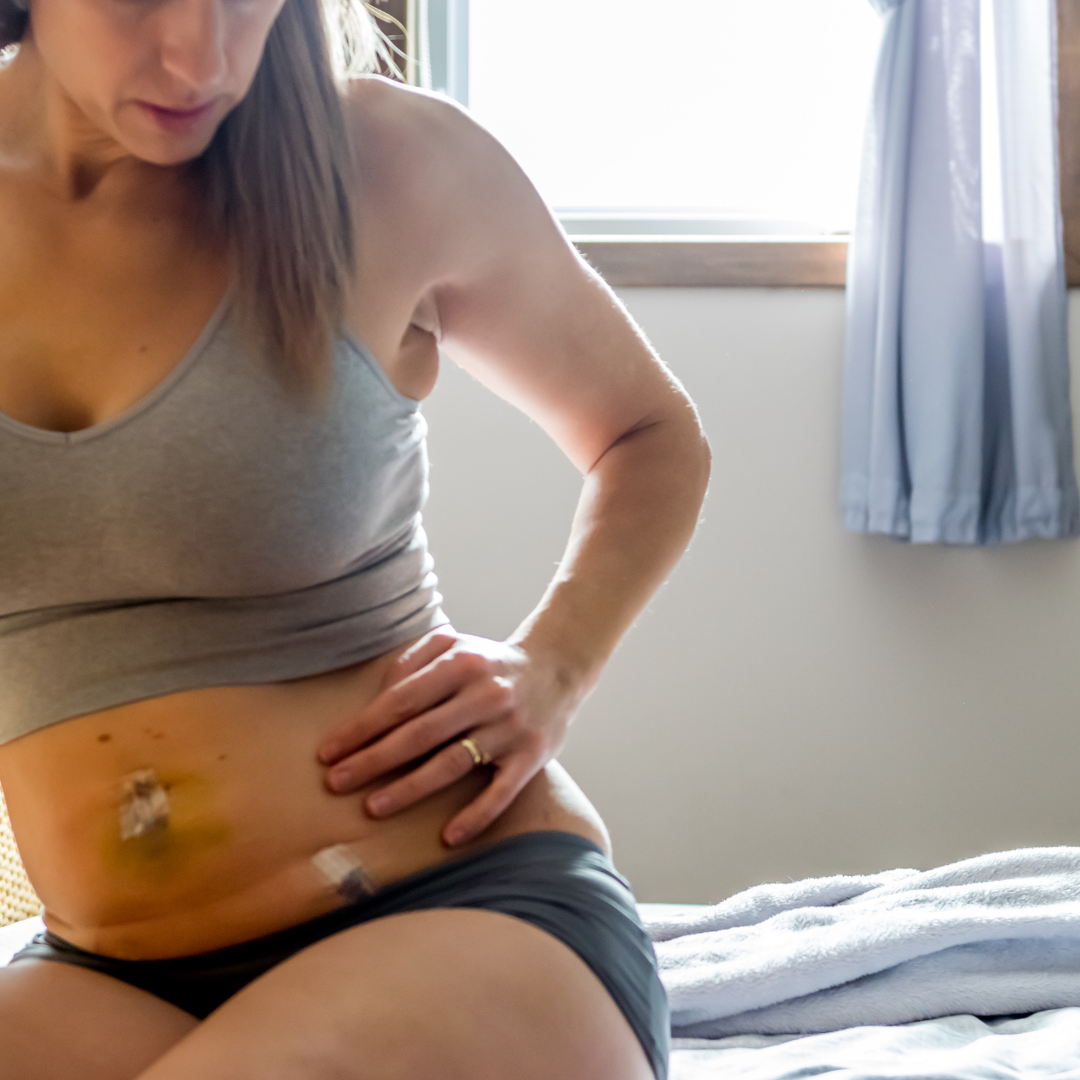
Tummy Tuck Recovery Week by Week: What to Expect After Surgery
Recovering from a tummy tuck is a gradual process. While many patients naturally focus on the final result, the first few weeks after surgery are primarily about allowing the body to heal, managing swelling and gradually returning to normal activities.
A tummy tuck, also known as abdominoplasty, can involve removing excess abdominal skin and, where clinically appropriate, repairing separated or weakened abdominal muscles. Liposuction may also be included when appropriate for the individual surgical plan.
Because every operation and every patient is different, there is no single tummy tuck recovery timeline that applies to everyone.
The type of tummy tuck performed, whether muscle repair or liposuction is included, your general health, the extent of surgery and your individual healing response can all influence recovery.
This week-by-week guide explains what patients may generally expect after tummy tuck surgery, from the first days through to the later stages of healing.
Tummy Tuck Recovery at a Glance
Tummy tuck recovery is better understood as a progression rather than a fixed timetable.
During the early stages, movement may be limited and the abdomen can feel swollen and tight. Over the following weeks, mobility generally improves while the tissues continue healing beneath the surface.
A typical recovery may progress through several stages:
- First few days: rest, post-operative monitoring and gentle movement as advised
- Week 1: swelling, tightness, bruising and reduced mobility may be noticeable
- Week 2: movement may become progressively easier
- Weeks 3–4: some patients begin returning to more everyday activities
- Weeks 4–6: activity may gradually increase when medically appropriate
- Following months: residual swelling continues to settle and scars continue to mature
These are general stages rather than deadlines.
Your surgeon’s instructions should always take priority because recovery depends on the exact procedure performed and your individual healing progress.
The First 24–48 Hours After a Tummy Tuck
The first days after surgery are usually the most restrictive part of recovery.
Dressings are typically placed over the surgical area and a compression garment may be used to support the abdomen during healing. Depending on the surgical technique, temporary drains may also be used.
During this early period, patients may experience:
- swelling
- bruising
- abdominal tightness
- discomfort around the surgical area
- tiredness following surgery and anaesthesia
- difficulty standing completely upright
Gentle mobilisation is generally introduced when the medical team considers it appropriate.
The objective is not to return to normal activity immediately. Early recovery is about protecting the surgical area while gradually restoring comfortable movement according to your surgeon’s instructions.
Week 1: Rest, Swelling and Early Movement
During the first week, swelling and tightness around the abdomen are expected parts of the healing process.
Standing completely upright may initially feel uncomfortable because the abdominal tissues are still adapting after surgery.
Patients should not judge their final tummy tuck result at this stage.
The abdomen may appear swollen and the contour can change considerably as healing progresses.
Your post-operative instructions may cover:
- wound and dressing care
- prescribed medication
- use of your compression garment
- management of drains if they have been used
- sleeping position
- showering and personal care
- walking and movement
- symptoms that should be reported to the medical team
Following your individual instructions is more important than trying to reach a particular recovery milestone by a particular day.
Week 2: Mobility Begins to Improve
During the second week, many patients begin to feel more mobile and independent.
Swelling can still be significant, but walking and everyday movement may gradually become easier.
It is also possible to experience numbness or altered sensation around parts of the abdomen. Sensation can take time to change as tissues continue to heal.
Feeling better, however, does not mean that internal healing is complete.
Heavy lifting, strenuous housework and demanding physical activity should not be resumed simply because discomfort has reduced.
The appropriate level of activity should be determined by your surgical team.
Weeks 3–4: Gradually Returning to Everyday Life
By weeks three and four, some patients feel considerably more comfortable performing normal daily activities.
The amount of time required before returning to work varies according to both the extent of surgery and the type of work involved.
Someone with a desk-based role may have very different requirements from someone whose job involves lifting, prolonged standing or physical activity.
Clinic Phaselis therefore treats recovery timelines as individual rather than fixed.
Your surgeon should advise when it is appropriate to return to work and increase your activity based on how your recovery is progressing.
Swelling may still be present during this period, particularly later in the day.
This does not necessarily indicate a problem. Tissues continue to heal well beyond the point at which patients begin feeling more active.
Weeks 4–6: Increasing Activity Carefully
During this stage, everyday movement may feel increasingly natural.
However, returning to strenuous exercise or heavy lifting should still depend on medical clearance rather than a predetermined date.
The abdominal wall and surgical tissues need sufficient time to heal before they are exposed to significant physical strain.
Walking and other light activities may be gradually increased according to your surgeon’s advice.
If your tummy tuck included muscle repair or additional procedures such as liposuction, your individual recovery plan may differ.
Weeks 6–8 and Beyond: The Later Recovery Stage
By this stage, many patients have progressed significantly compared with the first few weeks.
However, being able to perform more normal activities does not mean that every aspect of healing is complete.
Swelling may continue to reduce over the following weeks and months, while scars also continue changing as they mature.
The final abdominal contour therefore develops gradually rather than appearing immediately after surgery.
This is one reason before-and-after photographs taken very early in recovery should not be interpreted as representing a final result.
How Long Does Tummy Tuck Swelling Last?
Swelling is a normal part of recovery after abdominoplasty.
It is usually more noticeable during the early recovery period and gradually decreases as healing progresses.
However, residual swelling can persist for considerably longer than the initial few weeks.
The amount and duration of swelling can vary depending on factors such as:
- the extent of surgery
- whether liposuction was performed
- individual healing
- activity levels
- the surgical technique used
Patients should therefore avoid comparing their recovery too closely with someone else’s.
If swelling suddenly increases, becomes associated with increasing pain or is accompanied by other concerning symptoms, you should contact your medical team for advice.
How Long Should You Wear a Compression Garment After a Tummy Tuck?
Compression garments are commonly used following tummy tuck surgery to support the abdomen during recovery and help manage post-operative swelling.
How long the garment should be worn depends on the surgical plan and your surgeon’s instructions.
Clinic Phaselis generally includes a compression garment as part of the post-operative treatment journey, but patients should follow the individual instructions provided by their surgical team regarding how and when it should be worn.
The garment should not be adjusted, replaced or discontinued solely on the basis of advice found online.
If it feels excessively tight, causes unusual discomfort or creates concerns about the skin underneath, speak with your medical team.
How Should You Sleep After a Tummy Tuck?
Sleeping comfortably can be challenging during the early stages of tummy tuck recovery.
Your surgeon may recommend a position that reduces tension across the abdominal area while the tissues are healing.
The exact sleeping position and how long it should be maintained can depend on the surgical technique and procedures performed.
Rather than following a universal timetable for returning to your normal sleeping position, follow the instructions provided by your surgeon and post-operative team.
When Can You Stand Straight After a Tummy Tuck?
Some patients find that standing completely upright feels uncomfortable during the early recovery period because of tightness across the abdomen.
This generally improves gradually as the tissues heal.
It is important not to force your posture simply to reach a particular recovery milestone.
Your surgical team can advise how your posture and walking should progress according to your individual recovery.
When Can You Return to Work After a Tummy Tuck?
There is no single answer because the demands of different jobs vary considerably.
A patient working remotely at a desk may have different recovery requirements from someone working in healthcare, hospitality, construction or another physically demanding role.
Factors that can influence your return to work include:
- the extent of your tummy tuck
- whether muscle repair was performed
- whether liposuction or another procedure was combined with surgery
- the physical demands of your job
- your individual healing progress
Your return-to-work plan should therefore be discussed with your surgeon rather than based solely on a standard number of days or weeks.
When Can You Exercise After a Tummy Tuck?
Exercise should be reintroduced gradually.
Gentle movement forms part of recovery, but strenuous exercise and heavy lifting place very different demands on healing abdominal tissues.
Your surgeon will advise when different levels of physical activity can safely be resumed based on your procedure and recovery.
This is particularly important when abdominal muscle repair has formed part of the operation.
Returning to demanding exercise before receiving medical clearance may place unnecessary strain on healing tissues.
What Happens to the Tummy Tuck Scar During Recovery?
A tummy tuck involves an abdominal incision, so a permanent scar should be expected.
The appearance of the scar changes over time as healing progresses.
During the earlier stages, it may appear more noticeable before gradually maturing.
Scar appearance varies between patients and can be influenced by individual healing characteristics, skin type, incision placement, surgical technique and post-operative care.
Your surgical team can advise you about scar care and when any recommended scar-management measures should begin.
Patients should not apply treatments to a healing incision unless advised to do so by their medical team.
Tummy Tuck Recovery with Liposuction
Some tummy tuck procedures are combined with liposuction when this is considered appropriate for the patient’s anatomy and treatment goals.
In these cases, recovery may involve swelling, bruising and tenderness not only around the abdominal incision but also in areas treated with liposuction.
The recovery experience can therefore differ from a tummy tuck performed without additional contouring.
If you are researching combined abdominal contouring, our guide to Tummy Tuck with Lipo 360 explains how the procedures differ and why they may sometimes form part of the same surgical plan.
What Can Affect Your Tummy Tuck Recovery?
Two patients having apparently similar procedures may recover differently.
Factors that may influence recovery include:
- the extent of excess skin being treated
- whether abdominal muscle repair is required
- whether liposuction is included
- previous abdominal surgery
- general health
- smoking status
- individual healing response
- adherence to post-operative instructions
- the physical demands of work and everyday life
This is why personalised surgical planning matters before surgery as well as during recovery.
Recovery After a Tummy Tuck in Turkey
For patients travelling internationally for surgery, recovery planning involves an additional consideration: travel.
The question is not simply when you feel ready to leave the hospital.
Patients need to understand how the first stage of recovery will be organised, where they will stay after hospital discharge, how follow-up will take place and when their surgical team considers them medically appropriate to travel.
At Clinic Phaselis in Antalya, the Tummy Tuck Turkey package includes 2 nights in hospital followed by 4–5 nights in recovery accommodation.
The package also includes transfers, meals, compression garments, required medications, insurance for surgery-related emergencies and English-speaking support during the treatment journey.
The exact surgical plan, recovery requirements and appropriate travel arrangements are discussed individually before treatment.
When Can You Fly After a Tummy Tuck?
Flying after surgery requires individual medical assessment.
Abdominoplasty is major surgery, and both recent surgery and prolonged immobility during travel are relevant considerations when assessing the risk of blood clots.
For this reason, patients should not choose their return flight based only on how comfortable they feel.
Your surgeon should advise when you are medically appropriate to travel based on the operation performed, your recovery progress and your individual risk factors.
International patients should discuss their planned travel dates before surgery rather than making assumptions about when they will be able to fly home.
What Symptoms Should You Report During Recovery?
Some swelling, bruising, tightness and discomfort can be expected after tummy tuck surgery.
However, patients should receive clear instructions about symptoms that require medical attention.
Contact your surgical team promptly if you develop symptoms they have advised you to report, or if something about your recovery changes suddenly or causes concern.
Potential warning signs after surgery can include symptoms such as increasing redness or warmth around the wound, worsening rather than improving pain, discharge from the wound, fever, unusual swelling or other unexpected changes.
Urgent symptoms such as difficulty breathing, chest pain or symptoms that could indicate a blood clot require immediate medical attention.
Post-operative instructions provided by your surgical team should always take priority over general information found online.
For a more detailed discussion of risks, surgeon selection and aftercare, read Is a Tummy Tuck Safe in Turkey?.
When Will You See Your Final Tummy Tuck Result?
Tummy tuck results develop gradually.
Early swelling can temporarily obscure the abdominal contour, which means the appearance during the first few weeks should not be considered the final result.
As swelling decreases and the tissues continue to heal, the abdominal contour becomes easier to assess.
Scar maturation takes longer still.
Patients should therefore think in terms of progressive healing rather than expecting a specific day when the result suddenly becomes final.
If you want to understand how results may change over the longer term, read How Long Do Tummy Tuck Results Last?.
Tummy Tuck Recovery vs Mummy Makeover Recovery
A tummy tuck focuses primarily on the abdominal area.
A mummy makeover, by contrast, can combine abdominal surgery with procedures such as breast surgery and liposuction according to the patient’s individual needs.
Recovery from combined surgery can therefore involve several surgical areas rather than the abdomen alone.
Patients considering both options can read Tummy Tuck or Mummy Makeover? to understand how treatment planning differs.
Frequently Asked Questions About Tummy Tuck Recovery
How long does tummy tuck recovery take?
Recovery varies according to the extent of surgery and the individual patient. Many everyday activities may gradually become easier during the first several weeks, while swelling, scar maturation and deeper tissue healing continue for longer. Your surgeon should provide an individual recovery plan.
Is the first week after a tummy tuck the hardest?
The first week is often one of the more restrictive stages because swelling, tightness, discomfort and reduced mobility can be more noticeable. Recovery should gradually progress, but experiences vary between patients.
How long does swelling last after a tummy tuck?
Swelling generally reduces progressively rather than disappearing at once. Residual swelling may continue beyond the initial recovery period and can take considerably longer to settle completely.
When can I walk normally after a tummy tuck?
Gentle movement is generally introduced early when medically appropriate, while posture and walking comfort improve progressively. Do not force yourself to stand completely upright before it feels appropriate or contrary to your surgeon’s instructions.
How long should I wear my compression garment?
The duration depends on your procedure and your surgeon’s post-operative protocol. Follow the instructions provided by your surgical team rather than stopping the garment according to a generic online timetable.
When can I return to work after a tummy tuck?
This depends on the extent of surgery, your recovery and the physical demands of your job. Desk-based work and physically demanding work may require very different return-to-work plans.
When can I exercise after tummy tuck surgery?
Activity should be increased gradually. Strenuous exercise, abdominal training and heavy lifting should only be resumed when your surgeon considers it appropriate for your stage of recovery.
When can I fly home after a tummy tuck in Turkey?
There is no universal flight date suitable for every patient. Your surgeon should assess your recovery and individual risk factors before confirming when you are medically appropriate to travel.
Will I see my final tummy tuck result immediately?
No. Swelling can obscure the abdominal contour during early recovery. The result becomes clearer progressively as swelling decreases and tissues heal.
Does recovery take longer if liposuction is included?
Adding liposuction can change the recovery experience because additional areas may develop swelling, bruising and tenderness. The overall recovery plan depends on the extent of both procedures.
Planning Your Tummy Tuck Recovery Before Surgery
Recovery planning should begin before the operation rather than after it.
Before deciding on surgery, patients should understand:
- what procedure is being recommended
- whether muscle repair or liposuction may be included
- how the early recovery period will be managed
- how much time they may need away from work
- when different activities may be resumed
- how post-operative follow-up will work
- what symptoms should prompt medical advice
- how travel will be managed if surgery takes place abroad
A personalised consultation allows these questions to be discussed according to your anatomy, medical history and proposed treatment plan.
Considering a Tummy Tuck in Turkey?
If you are researching tummy tuck surgery in Turkey, recovery is only one part of the decision.
You should also understand the proposed surgical approach, who will perform your procedure, where surgery will take place, how your early recovery will be supported and what is included in your treatment package.
At Clinic Phaselis in Antalya, Tummy Tuck Turkey packages currently start from £3,700, with the final treatment plan and quotation determined following individual assessment.
The package includes surgery, hospital care, 2 nights in hospital, 4–5 nights in recovery accommodation, transfers, meals, specified post-operative care, insurance for surgery-related emergencies and English-speaking support during your treatment journey.
Explore the complete Tummy Tuck Turkey package for information about treatment, current pricing, package inclusions and recovery arrangements in Antalya.
Or request your free online consultation to discuss your individual requirements and receive a personalised treatment plan.