
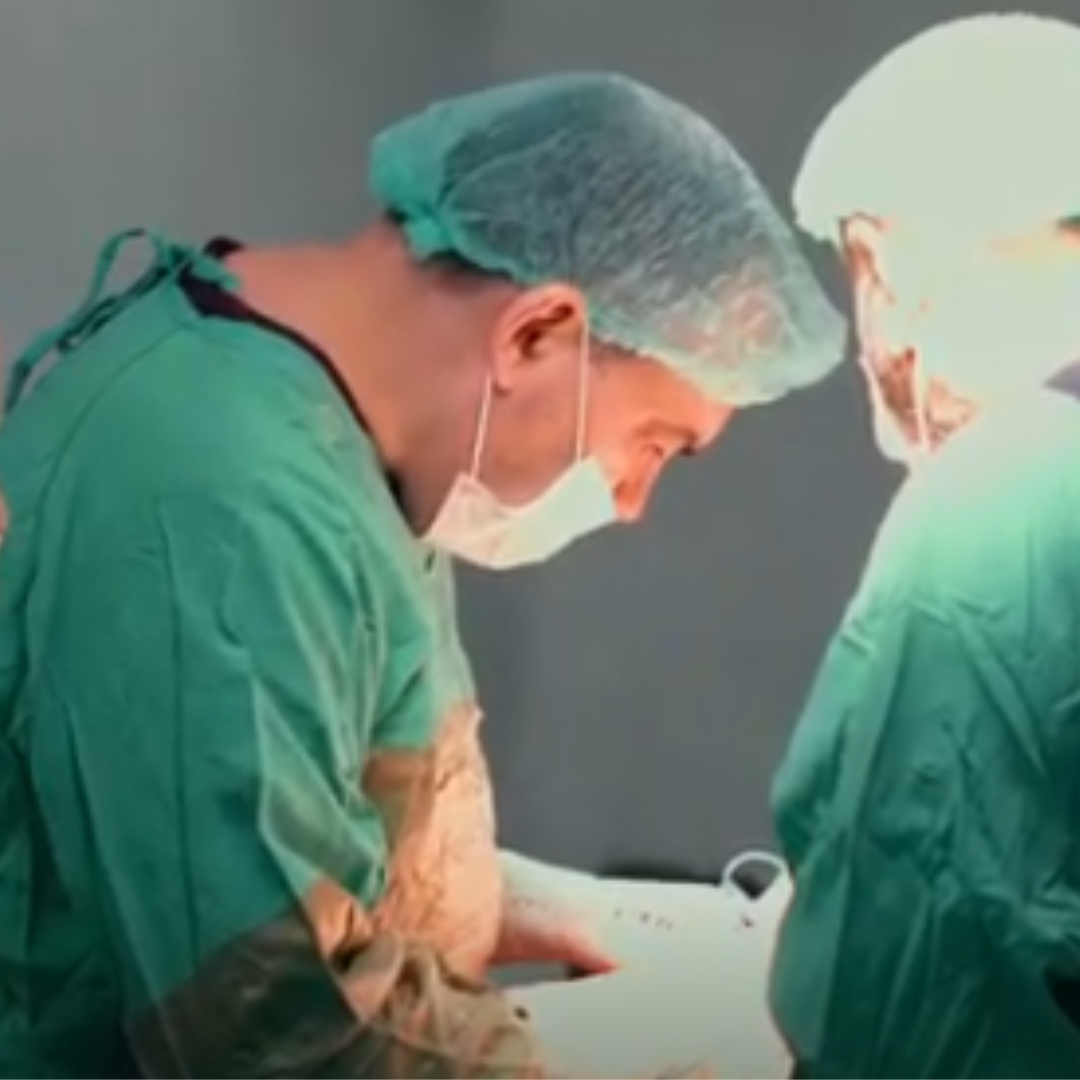
How to Compare Plastic Surgery Clinics in Turkey: 15 Questions Every Patient Should Ask Before Choosing
Travelling abroad for plastic surgery is an important medical decision that deserves careful research and thoughtful planning.
Turkey is a well-established destination for international patients considering cosmetic surgery. However, choosing where to have surgery involves much more than comparing prices, looking at before-and-after photographs or reading online reviews.
Every clinic operates differently. Surgical experience, hospital standards, patient assessment, recovery planning and aftercare can all vary considerably. Understanding these differences can help you make a more informed decision and choose a treatment pathway that matches your individual circumstances.
Whether you are considering a Mummy Makeover, Tummy Tuck, Breast Surgery, Liposuction, Rhinoplasty or another cosmetic procedure, the principles explained in this guide remain relevant regardless of the operation you are planning.
Rather than recommending one clinic over another, this article explains the questions that patients may wish to ask before making a decision. The aim is to help you evaluate providers using objective criteria instead of relying solely on marketing claims.
Why Comparing Plastic Surgery Clinics Is About More Than Price
When researching plastic surgery in Turkey, many people naturally begin by comparing treatment costs.
Although price is an important consideration, it represents only one part of a much broader decision.
A treatment package may include different levels of medical care, accommodation, recovery support and follow-up. As a result, two clinics offering the same procedure may provide very different patient experiences.
A balanced comparison should consider several factors together, including:
- the experience of the surgical team
- the hospital where the procedure will take place
- the quality of the pre-operative assessment
- the level of communication before and after surgery
- the recovery plan
- the availability of ongoing medical support
Looking at these elements collectively often provides a clearer understanding of what each clinic offers.
Every Patient Requires an Individual Assessment
One of the most common misconceptions is that patients with similar body shapes require the same procedure.
In reality, treatment recommendations are based on a combination of clinical findings, medical history and personal goals.
An experienced plastic surgeon will normally assess factors such as:
| Assessment Factor | Why It Matters |
| Skin elasticity | May influence the surgical approach and expected outcome. |
| Body Mass Index (BMI) | Helps determine whether surgery is appropriate at the time of assessment. |
| Previous pregnancies | Can affect abdominal muscles, skin laxity and breast volume. |
| Previous surgery | Existing scars and prior procedures may influence treatment planning. |
| General health | Certain medical conditions may require additional investigations or precautions. |
| Individual goals | Understanding expectations helps determine whether they are realistic and achievable. |
For this reason, reputable clinics usually recommend a personalised consultation before confirming a treatment plan.
What may be appropriate for one patient may not necessarily be suitable for another, even when their photographs appear similar.
Good Decisions Begin With Good Questions
Most clinic websites highlight successful outcomes, modern facilities and experienced surgeons.
While this information can be useful, it should form only part of your research.
Patients often gain the greatest insight by asking detailed questions about the entire treatment journey, from the initial consultation through to recovery and follow-up.
The answers can reveal how a clinic approaches patient safety, communication and long-term care.
Rather than asking only:
“Which clinic is the best?”
it is often more helpful to ask:
“Which clinic provides the level of assessment, surgical planning and aftercare that is appropriate for my individual circumstances?”
This shift in perspective encourages a more informed decision based on clinical standards rather than marketing alone.
What This Guide Will Cover
The following sections explore 15 practical questions that patients may wish to discuss before choosing a plastic surgery clinic in Turkey.
These questions cover topics including:
- surgeon experience
- hospital standards
- safety protocols
- treatment planning
- recovery
- aftercare
- communication
- transparency
- expected outcomes
By the end of this guide, you should have a clearer framework for comparing clinics and understanding which factors may be most relevant to your own treatment journey.
The 15 Questions Every Patient Should Ask Before Choosing a Plastic Surgery Clinic in Turkey
Choosing a plastic surgery clinic involves more than comparing websites or social media profiles.
The questions below are designed to help patients evaluate different clinics using objective criteria. They focus on areas that may influence safety, communication, recovery and the overall treatment experience.
While every clinic operates differently, asking these questions can help you better understand the care being offered and support a more informed decision.
1. Who Will Actually Perform My Surgery?
One of the first questions to ask is who will perform your procedure.
Patients should know the name of the surgeon responsible for their treatment and have the opportunity to understand their professional background before making a decision.
Useful questions include:
- Will my surgery be performed by the same surgeon throughout the procedure?
- What procedures does the surgeon perform regularly?
- Can I speak directly with the surgeon before surgery?
- Will the surgeon assess my suitability personally?
Having a consultation with the operating surgeon allows patients to discuss goals, expectations and any concerns before treatment.
2. Where Will My Surgery Take Place?
The location of surgery is another important consideration.
Some procedures are performed in fully equipped hospitals, while others may take place in smaller surgical facilities depending on the type of treatment.
Patients may wish to ask:
| Question | Why It Matters |
| Will surgery take place in a hospital? | Hospital facilities provide access to operating theatres and specialist medical teams. |
| Who provides the anaesthesia? | Anaesthesia should be managed by appropriately qualified professionals. |
| Is overnight monitoring available if required? | Some procedures require observation after surgery. |
| What emergency resources are available if needed? | Understanding the clinical environment helps patients make informed decisions. |
The most appropriate setting depends on the procedure being performed and the individual patient’s medical circumstances.
3. Am I Being Assessed as an Individual?
Plastic surgery should never follow a standard template.
Every treatment plan should begin with an assessment of the patient’s anatomy, medical history and personal goals.
A consultation may include discussion of:
- previous surgery
- current medications
- smoking status
- weight stability
- medical conditions
- future pregnancy plans where relevant
- recovery expectations
This assessment helps determine whether surgery is appropriate and which procedures may be suitable.
4. Is My Treatment Plan Personalised?
Two patients requesting the same procedure may receive different recommendations.
For example, someone considering a Tummy Tuck may also require abdominal muscle repair, while another patient may benefit from liposuction alone.
Similarly, a Mummy Makeover may include different combinations of procedures depending on individual anatomy and treatment goals.
Patients may wish to ask:
- Why is this procedure recommended?
- Are alternative approaches available?
- Which results are realistic in my situation?
- Why are certain procedures not recommended?
Understanding the reasoning behind the treatment plan often provides greater confidence than simply receiving a quotation.
5. What Is Included in the Quotation?
Comparing prices is only meaningful when patients understand exactly what is included.
Treatment packages can vary considerably between clinics.
A useful comparison checklist includes:
| Included Service | Confirm With The Clinic |
| Hospital fees | ✔ |
| Surgeon fees | ✔ |
| Anaesthesia | ✔ |
| Medication | ✔ |
| Compression garments | ✔ |
| Airport transfers | ✔ |
| Hotel accommodation | ✔ |
| Follow-up appointments | ✔ |
| Nursing care | ✔ |
Clarifying these details in advance helps avoid misunderstandings later.
6. What Happens After Surgery?
Recovery continues after leaving the operating theatre.
Patients may wish to understand:
- how long they are expected to remain in hospital
- when postoperative reviews will take place
- who they should contact if they have questions
- when travelling home is considered appropriate
- what follow-up support is available after returning home
Clear communication about recovery expectations can help patients prepare for the weeks following surgery.
7. How Are Potential Risks Discussed?
Every surgical procedure carries potential risks.
A professional consultation should include an open discussion about possible complications, expected recovery and factors that may influence healing.
Patients should feel comfortable asking:
- What are the common risks associated with this procedure?
- How can I reduce those risks?
- What signs should I monitor during recovery?
- When should I seek medical advice?
Understanding potential risks is an important part of informed consent.
8. Will I Have Ongoing Communication Before and After Surgery?
Good communication helps patients feel informed throughout their treatment journey.
Patients may wish to ask:
- Who will answer my questions before travelling?
- Will I have a dedicated patient coordinator?
- How can I contact the clinic after surgery?
- Is follow-up available remotely if required?
Knowing who to contact can provide reassurance during recovery.
9. How Does the Clinic Assess Whether You Are a Suitable Candidate?
Not every patient is automatically suitable for plastic surgery.
A responsible clinic should first determine whether surgery is appropriate before discussing dates or procedures.
This assessment may include questions about:
- your general health
- Body Mass Index (BMI)
- smoking or nicotine use
- previous operations
- medications
- allergies
- medical conditions
- future pregnancy plans where relevant
In some cases, surgery may need to be postponed until certain health factors have improved.
Patients should feel reassured when a clinic takes time to evaluate suitability rather than encouraging immediate booking.
10. What Can You Realistically Expect From Surgery?
Plastic surgery aims to improve body proportions and address specific concerns, but no procedure can guarantee perfection.
During your consultation, consider asking:
- What improvements are realistically achievable?
- Which concerns are unlikely to change significantly?
- Where will scars typically be located?
- How long does recovery usually take?
- When are final results generally seen?
Understanding realistic expectations before surgery often contributes to greater long-term satisfaction.
11. How Is Recovery Planned?
Recovery begins immediately after surgery and continues for several weeks or months depending on the procedure performed.
A structured recovery plan should explain:
| Recovery Stage | Information Patients May Receive |
| First 24 hours | Pain management, mobilisation and monitoring. |
| Hospital discharge | Medication, wound care and activity guidance. |
| Hotel recovery | Follow-up assessments and dressing changes where appropriate. |
| Returning home | Advice on travel, walking, lifting and gradual return to daily activities. |
| Longer-term recovery | Scar management, exercise guidance and scheduled follow-up. |
Patients should understand that recovery timelines vary according to the procedure performed and individual healing.
12. What Happens If You Need Advice After Returning Home?
For many international patients, communication after returning home is an important consideration.
Useful questions include:
- How can I contact the clinic after surgery?
- Will I receive follow-up guidance?
- Can postoperative photographs be reviewed remotely?
- Who should I contact if I have concerns during recovery?
Clear communication after discharge can help patients feel supported throughout their recovery journey.
13. Are Before-and-After Photographs Representative?
Before-and-after photographs can be useful, but they should always be viewed in context.
Patients may wish to ask:
- Are these results from patients with similar body characteristics?
- Were the procedures similar to those recommended for me?
- How long after surgery were the photographs taken?
- Do the images represent typical outcomes rather than exceptional cases?
Photographs should support discussion rather than replace a personalised consultation.
14. Does the Clinic Encourage Questions?
A consultation should feel like a conversation rather than a sales presentation.
Patients should feel comfortable asking about:
- alternative treatment options
- expected recovery
- possible limitations
- potential risks
- costs
- aftercare
Clinics that encourage open discussion often help patients make decisions with greater confidence.
There should never be pressure to commit before all questions have been answered.
15. Do You Feel Comfortable With the Overall Experience?
While qualifications, facilities and treatment plans are all important, patients should also consider their overall experience throughout the consultation process.
After gathering information, ask yourself:
- Were my questions answered clearly?
- Did I understand the proposed treatment plan?
- Was enough time dedicated to my consultation?
- Did I feel listened to?
- Do I understand the recovery process?
- Do I feel comfortable proceeding?
Choosing a clinic is an individual decision, and patients should only move forward once they feel appropriately informed.
Plastic Surgery Clinic Comparison Checklist
Before making your decision, use the checklist below as a practical summary.
| Question | Yes | No |
| Do I know who will perform my surgery? | ☐ | ☐ |
| Have I spoken with the surgeon? | ☐ | ☐ |
| Do I know where surgery will take place? | ☐ | ☐ |
| Has my medical history been reviewed? | ☐ | ☐ |
| Is my treatment plan personalised? | ☐ | ☐ |
| Do I understand what is included in the quotation? | ☐ | ☐ |
| Has the recovery plan been explained? | ☐ | ☐ |
| Do I know how follow-up will be managed? | ☐ | ☐ |
| Have potential risks been discussed? | ☐ | ☐ |
| Do I feel comfortable asking further questions? | ☐ | ☐ |
Completing this checklist may help you compare different clinics using consistent criteria rather than relying on a single factor such as price or online popularity.
Choosing a Clinic Is About More Than One Factor
There is no single feature that defines the right plastic surgery clinic.
Instead, patients should consider the complete treatment journey, including the consultation, surgical planning, hospital environment, recovery pathway and ongoing support.
Every patient has different priorities, anatomy and expectations. Taking time to ask detailed questions and understand the proposed treatment plan can help you make a decision that is based on information rather than assumptions.
Whether you are considering a Mummy Makeover, Tummy Tuck, Breast Surgery, Liposuction or another cosmetic procedure, careful preparation is an important part of the overall process.
Continue Your Research
If you would like to learn more about specific procedures, you may also find these guides helpful:
- Mummy Makeover – understanding how procedures are combined to address post-pregnancy body changes.
- Tummy Tuck – how abdominal contouring differs from liposuction and when muscle repair may be appropriate.
- Breast Surgery – comparing breast augmentation, breast lift and breast reduction procedures.
- Plastic Surgery – explore the range of procedures available and how treatment plans are tailored to individual patients.
Request a Personalised Consultation
Research is an important first step, but every patient is different.
A personalised consultation provides an opportunity to discuss your medical history, treatment goals, expected recovery and whether surgery is appropriate for your individual circumstances.
At Clinic Phaselis, every treatment recommendation is based on a comprehensive assessment rather than a standard package. If surgery is appropriate, your treatment plan will be tailored to your anatomy, health and expectations. If another approach is more suitable, this will be discussed openly during your consultation.
Our team is available to answer your questions, explain the treatment process and help you make an informed decision without pressure.
Book your free online consultation and receive personalised guidance from our experienced patient care team before deciding whether plastic surgery in Turkey is the right option for you.