
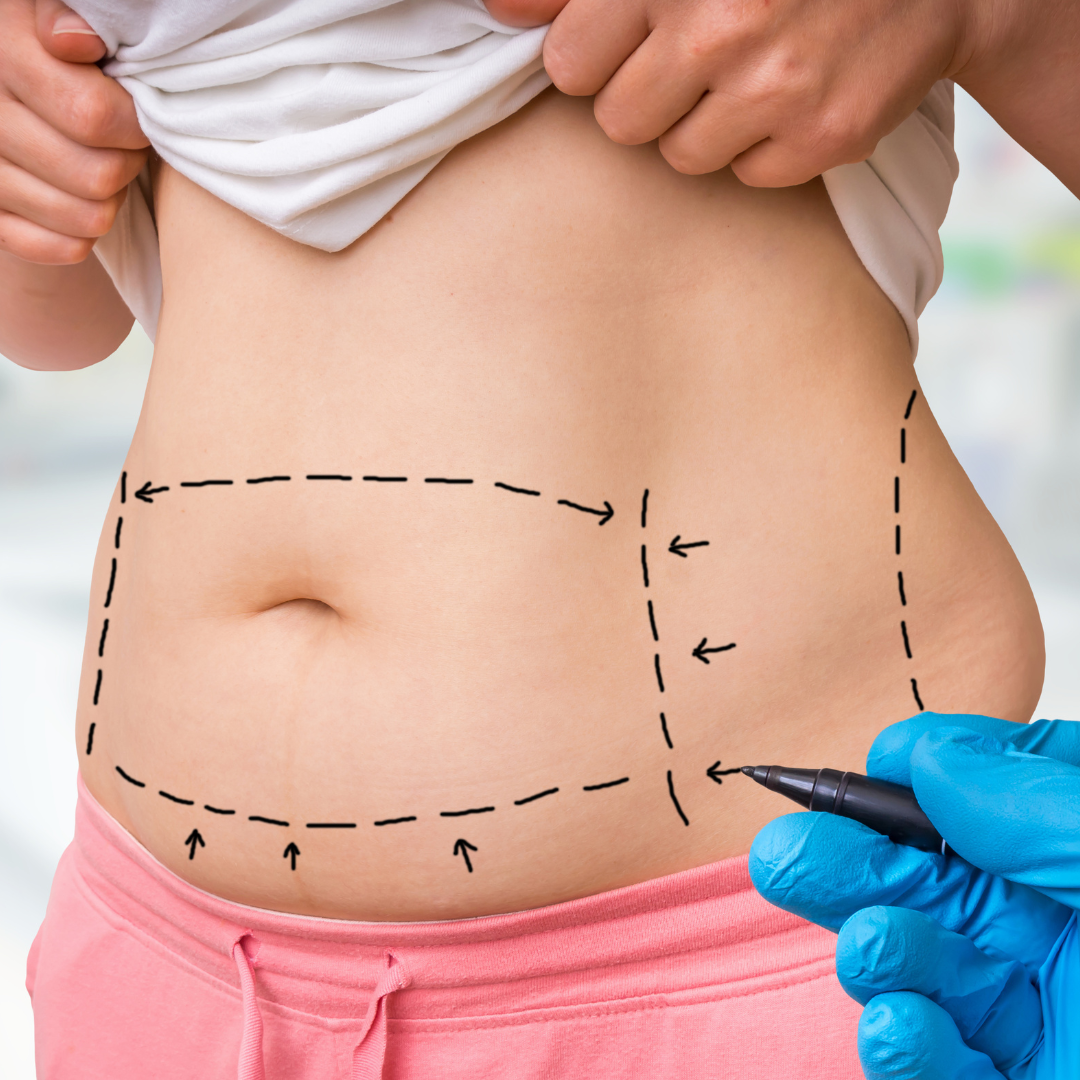
Planning plastic surgery abroad involves much more than choosing a procedure. Patients also need to understand how medical assessment works, what to check before travelling, how their stay will be organised and what support will be available during recovery.
Turkey is an established destination for international patients considering cosmetic surgery, but choosing where and how to have treatment requires careful research.
This guide explains the practical stages involved in planning plastic surgery in Turkey, from your initial consultation and surgeon assessment to travel preparation, hospital care, recovery and follow-up after returning home.
If you are still researching procedures, costs, safety and treatment options, read our Plastic Surgery in Turkey guide for a broader overview.
What Should You Consider Before Planning Plastic Surgery in Turkey?
Before arranging travel or choosing a date for surgery, the priority should be determining whether a procedure is appropriate for you.
A proper assessment should consider factors such as:
- your medical history
- current health
- previous surgery
- medications
- the procedure you are considering
- your anatomy
- your expectations
- potential risks
- recovery requirements
- your ability to remain abroad for the recommended period
Not every patient is suitable for every procedure, and treatment should not be planned around travel dates or price alone.
If you are comparing providers, our guide to choosing a plastic surgeon in Turkey explains the questions worth asking before making a decision.
Step 1: Start With a Medical Assessment
The first stage should be an individual medical assessment rather than simply selecting a procedure from a list.
During the consultation process, the medical team can review your concerns, medical history and treatment goals.
Depending on the procedure being considered, photographs and other relevant medical information may also be requested as part of the preliminary assessment.
The purpose is to determine whether surgery may be appropriate and what treatment options should be discussed.
This is also an opportunity for you to ask questions.
You should understand who will perform your surgery, where it will take place, what the proposed treatment involves and what you can realistically expect from recovery.
Step 2: Understand Your Proposed Treatment Plan
Plastic surgery should be personalised to the individual patient.
Two people considering the same procedure may have different anatomy, medical histories and goals. As a result, their surgical plans may not necessarily be identical.
Your treatment plan may consider:
- the procedure or combination of procedures proposed
- your individual anatomy
- expected hospital care
- recovery requirements
- potential risks and limitations
- the anticipated length of your stay
- follow-up requirements
For patients considering more than one procedure, medical suitability becomes particularly important.
For example, a Mummy Makeover in Turkey may combine procedures when clinically appropriate, while patients whose primary concern is the abdomen may instead discuss a Tummy Tuck in Antalya.
The appropriate approach can only be determined after individual assessment.
Step 3: Research Your Surgeon
Knowing who will actually perform your surgery is one of the most important parts of planning treatment abroad.
Do not evaluate a surgeon only through social media photographs or promotional claims.
Consider their qualifications, professional experience, areas of surgical practice and approach to patient assessment.
You should also have the opportunity to discuss your proposed treatment and ask relevant questions before proceeding.
At Clinic Phaselis, Dr İsmail Gökhan Bacak assesses patients individually and develops surgical plans according to their anatomy, medical suitability and treatment goals.
Step 4: Understand Where Your Surgery Will Take Place
The surgeon is only one part of the surgical environment.
Patients should also understand where their procedure will be performed and what medical support will be available.
Before travelling, ask about:
- the hospital where surgery will take place
- the anaesthesia team
- pre-operative testing
- expected hospital stay
- post-operative monitoring
- discharge arrangements
- what happens if additional medical attention is required
These questions are particularly important when surgery involves international travel.
A responsible decision should consider the entire medical pathway rather than the operation in isolation.
Step 5: Understand What Your Treatment Package Includes
Medical tourism packages can differ considerably between providers and procedures.
Therefore, patients should understand exactly what their individual quotation includes before booking.
Depending on the treatment plan, arrangements may include elements such as hospital care, accommodation, transfers and patient coordination.
However, you should never assume that a particular service is included simply because another clinic or package provides it.
Ask for clear information about your own treatment plan and what is included before making travel arrangements.
You can also explore Clinic Phaselis treatment information for specific procedures, including our Mummy Makeover Turkey package and Tummy Tuck Turkey package.
Step 6: Prepare for Travelling to Antalya
Once your treatment plan has been agreed and you have been considered medically suitable to proceed, attention turns to the practical aspects of travelling.
Preparation may include following pre-operative instructions, organising appropriate clothing and ensuring that your medical team knows about medications or relevant changes in your health.
You should also understand:
- when you need to arrive
- where your appointments will take place
- what you need to bring
- how your hospital admission will work
- where you will recover after discharge
- how follow-up appointments will be organised
- when your medical team expects to assess your fitness to travel home
The exact arrangements depend on the procedure and individual treatment plan.
Step 7: Complete Your Pre-Operative Assessment
Your assessment does not necessarily end with the initial online consultation.
Before surgery, further medical evaluation may be required.
This provides another opportunity to review your treatment plan, discuss outstanding questions and confirm that proceeding remains appropriate.
If there have been changes to your health, medication or other relevant circumstances since your initial assessment, you should tell your medical team.
Safety depends on accurate and complete medical information.
Step 8: Surgery and Hospital Care
On the day of surgery, your medical team follows the treatment plan discussed during your assessment.
The specific procedure, anaesthesia, duration of surgery and hospital stay depend on your individual case.
After surgery, the immediate priority is monitoring and early recovery.
Your medical team will determine when you are ready to leave hospital and provide instructions for the next stage of recovery.
Major procedures should never be approached as though they were simply part of a holiday.
Plastic surgery is surgery, and appropriate medical care and recovery planning remain essential regardless of where the procedure takes place.
Step 9: Recovery in Antalya
The period following discharge is an important part of the treatment journey.
Recovery varies considerably between patients and procedures.
During this stage, patients may receive instructions relating to areas such as:
- medication
- mobility
- wound care
- compression garments when appropriate
- sleeping position
- activity restrictions
- follow-up appointments
- symptoms that should prompt medical advice
Follow the instructions provided for your individual procedure rather than relying on another patient’s recovery experience.
Your body, operation and healing process are individual.
How Long Should You Stay in Turkey After Plastic Surgery?
There is no single correct length of stay for every patient.
The appropriate period depends on factors including:
- the procedure performed
- whether procedures have been combined
- your individual recovery
- your surgeon’s assessment
- required post-operative checks
- your fitness to travel
This is why return flights should be planned around medical advice rather than assumptions about how quickly recovery should occur.
Your medical team should explain the expected timeline associated with your individual treatment plan.
Step 10: Prepare for Your Journey Home
Flying home is another part of the recovery process that should be planned carefully.
Before travelling, you should understand:
- whether you have been medically cleared to travel
- any mobility guidance
- medication instructions
- wound or garment care
- what symptoms require medical attention
- how to contact the team after returning home
- when further follow-up is expected
Do not assume that being discharged from hospital automatically means you are ready to fly.
The appropriate timing should be based on your individual recovery and medical advice.
What Happens After You Return Home?
Recovery continues after you leave Turkey.
Depending on the procedure, swelling, scars and other post-operative changes can continue evolving for weeks or months.
Follow-up is therefore an important consideration when choosing surgery abroad.
Before treatment, understand how communication will work after you return home and what you should do if you have concerns.
At Clinic Phaselis, patients receive ongoing support from the team as part of their treatment journey.
However, remote follow-up does not replace appropriate local medical assessment when urgent or hands-on care is required.
What Risks Should You Consider Before Travelling for Surgery?
All surgery carries potential risks.
The risks depend on the procedure, patient health, surgical plan and other individual factors.
Before proceeding, your surgeon should explain the potential complications relevant to your proposed treatment and give you an opportunity to discuss them.
Travelling internationally also introduces additional practical considerations because part of your recovery takes place away from home.
For this reason, patients should understand not only the operation itself but also their recovery plan, follow-up arrangements and what would happen if a medical concern developed.
If safety is one of your main concerns, our Plastic Surgery in Turkey guide provides a broader overview of what patients should consider when researching treatment in Turkey.
How Should You Compare Plastic Surgery Clinics?
Price should not be the only factor used to compare clinics.
Before choosing a provider, ask questions about:
- surgeon identity and qualifications
- medical assessment
- hospital arrangements
- anaesthesia
- treatment planning
- risks and potential complications
- post-operative monitoring
- recovery arrangements
- follow-up after returning home
- what is included in your quotation
Be cautious about making a decision based solely on promotional offers, dramatic before-and-after photographs or pressure to book quickly.
Our 15 Questions to Compare Plastic Surgery Clinics in Turkey Safely guide provides a practical checklist for evaluating different providers.
Frequently Asked Questions About Planning Plastic Surgery in Turkey
Should I have a consultation before travelling to Turkey?
Yes. An initial consultation allows your medical history, concerns and treatment goals to be reviewed before travel. Further assessment may also be required before surgery.
How do I know which plastic surgery procedure is right for me?
The appropriate procedure depends on your anatomy, medical history, concerns and treatment goals. A surgeon should assess these factors before recommending a treatment plan.
Can I book my return flight immediately after surgery?
Return travel should take account of the procedure, expected recovery and medical advice. Your fitness to travel should be assessed individually.
How long will I need to recover in Antalya?
There is no universal recovery period. The recommended stay depends on the procedure, your individual recovery and the post-operative assessments required before travelling home.
What should I ask my surgeon before surgery?
Ask about the proposed procedure, expected outcome, limitations, potential risks, recovery, hospital care and follow-up. You should also understand why the recommended treatment is appropriate for you.
Can several plastic surgery procedures be combined?
In selected patients, procedures may be combined when considered clinically appropriate. Suitability depends on individual anatomy, health, the procedures being considered and the surgeon’s assessment.
Should I choose a clinic based on price?
Price can be one consideration, but it should not replace assessment of the surgeon, hospital environment, medical planning, recovery arrangements and aftercare.
What happens if I have a concern after returning home?
Before surgery, ask how post-operative communication is managed and who you should contact if you have concerns. Urgent or hands-on medical problems may require assessment by an appropriate healthcare professional where you are located.
Planning Surgery Abroad With Realistic Expectations
Good planning is not simply about organising flights and accommodation.
It means understanding your treatment, knowing who will perform it, discussing the risks, preparing appropriately for recovery and knowing what support will be available after you return home.
The decision should never feel rushed.
Take time to ask questions, understand the proposed treatment plan and make sure you are comfortable with the medical and practical arrangements before proceeding.
Considering Plastic Surgery in Turkey?
If you are considering treatment and would like advice based on your individual circumstances, the first step is a medical assessment.
At Clinic Phaselis, your consultation allows the team to understand your concerns, review your treatment goals and explain which options may be appropriate.
Request Your Free Online Consultation to discuss your treatment options with our team.
📞 UK Line: +44 330 777 2205
💬 WhatsApp support available