
How to Choose a Plastic Surgeon in Turkey: A Patient Guide
Choosing to have plastic surgery abroad involves more than comparing prices, packages or before-and-after photographs.
One of the most important decisions is who will perform your surgery, where the procedure will take place and how your care will be managed before and after treatment.
If you are considering treatment in Turkey, knowing how to choose a plastic surgeon in Turkey can help you compare providers more carefully and make a more informed decision.
Qualifications, relevant surgical experience, hospital standards, communication, treatment planning and aftercare should all form part of your research.
For a broader overview of treatment in Turkey, including procedures, costs, safety and recovery, read our Plastic Surgery in Turkey Patient Guide.
Why Choosing the Right Plastic Surgeon Matters
Plastic surgery is not simply about performing a procedure.
Before recommending treatment, a surgeon needs to consider your anatomy, medical history, expectations, previous surgery and the changes you would like to address.
Two patients requesting the same procedure may therefore receive different recommendations.
For example, an assessment may consider:
- skin quality and elasticity
- body proportions
- abdominal wall anatomy
- fat distribution
- existing scars
- previous procedures
- general health
- future pregnancy plans where relevant
- expectations and treatment goals
The aim of consultation should be to establish whether surgery is appropriate and which treatment plan may be suitable for the individual patient, rather than simply selling a predetermined procedure.
1. Check the Surgeon’s Qualifications
One of the first things to investigate is the surgeon’s professional background.
Patients considering plastic surgery in Turkey should look for clear information about:
- specialist medical training
- plastic surgery qualifications
- professional credentials
- years of surgical experience
- areas of clinical expertise
- experience with the specific procedure being considered
A surgeon’s experience should also be relevant to the treatment you are considering.
Someone researching a tummy tuck, for example, should understand the surgeon’s experience with abdominal and body contouring surgery rather than relying only on general claims about surgical experience.
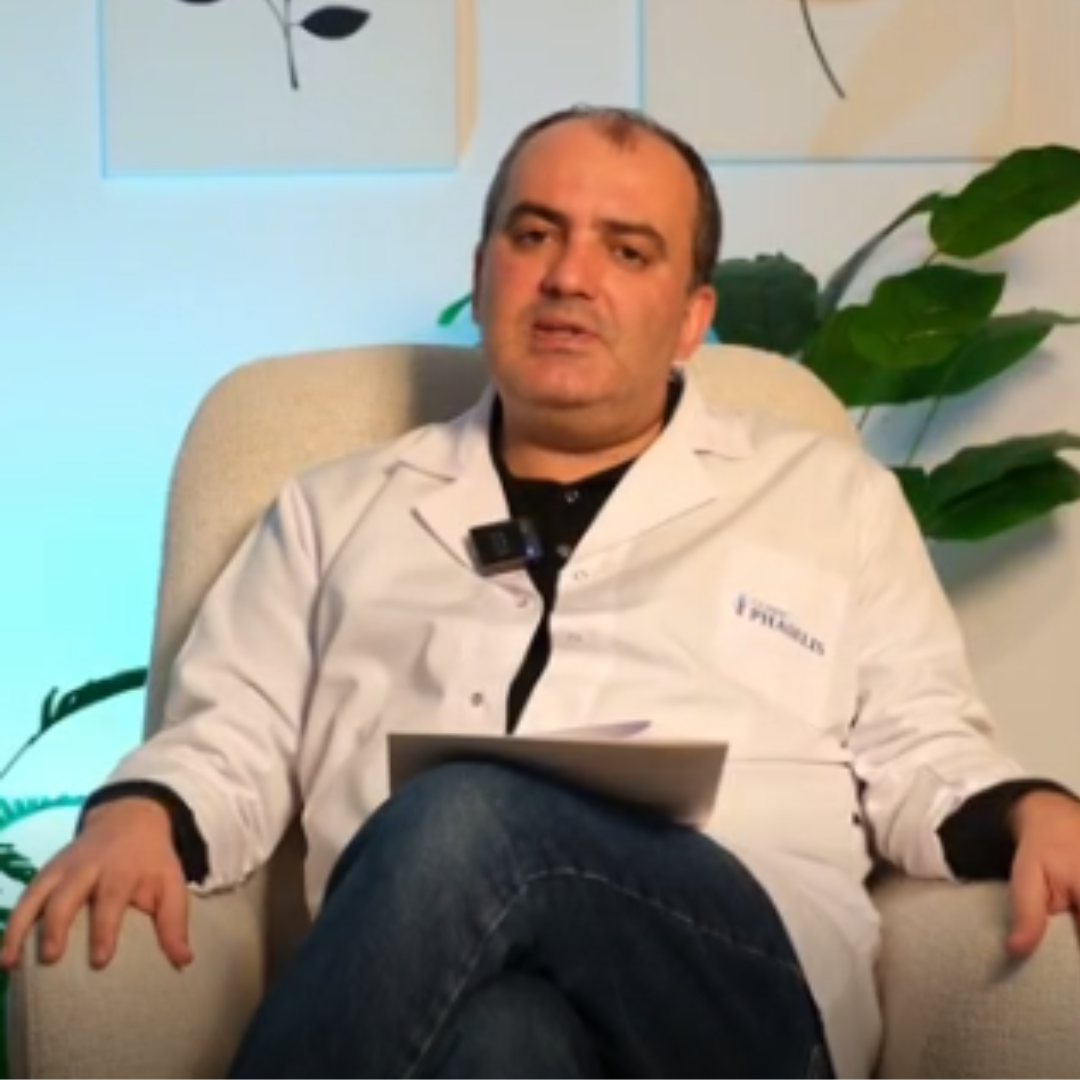
At Clinic Phaselis, Dr İsmail Gökhan Bacak has more than 23 years of experience and has performed over 6,000 surgical procedures.
2. Find Out Who Will Actually Perform Your Surgery
When comparing clinics abroad, do not assume that the person or coordinator you initially communicate with will be the surgeon responsible for your treatment.
Ask clearly:
- Who will assess my case?
- Who will perform my operation?
- Will I have the opportunity to discuss my treatment with the surgeon?
- Can I ask questions about the proposed procedure?
- Who will review me after surgery?
You should understand who is medically responsible for your treatment before proceeding.
Clear communication between the patient, surgeon and clinical team is an important part of treatment planning.
3. Ask Where Your Surgery Will Take Place
Choosing a plastic surgeon also means understanding the environment in which surgery will be performed.
Ask which hospital will be used and what medical facilities and support are available.
Questions may include:
- Where will the operation take place?
- What type of hospital facility is used?
- Who provides anaesthetic care?
- How will I be monitored after surgery?
- What happens if additional medical care is required?
At Clinic Phaselis, surgical procedures are performed within private hospital environments with surgical, anaesthetic and postoperative medical support.
The hospital should therefore be part of your evaluation, not an afterthought.
4. Consider Experience With the Procedure You Want
Years of practice provide useful context, but patients should also consider a surgeon’s experience with the specific procedure being discussed.
You may want to ask:
- How regularly do you perform this procedure?
- What factors determine whether I am suitable?
- What are the principal risks and limitations?
- Are there circumstances in which you would recommend a different procedure?
- How is the treatment adapted to my anatomy?
These questions can provide more useful information than simply asking whether a surgeon is experienced.
If you are researching abdominal surgery, our Tummy Tuck Turkey package explains the procedure, hospital care, recovery and all-inclusive treatment package from £3,300.
For patients considering several procedures after pregnancy or significant body changes, our Mummy Makeover Turkey package explains personalised combination surgery and our 7-night all-inclusive Antalya package from £5,000.
5. Review Before-and-After Results Carefully
Before-and-after photographs can help patients understand the type of results a surgeon has achieved in previous cases.
However, they should not be interpreted as a guarantee of your own outcome.
When reviewing photographs, consider:
- whether the results appear proportionate
- whether patients have similar anatomical concerns to yours
- how scars appear where they are visible
- whether photographs show different stages of recovery
- whether results appear consistent across multiple patients
Every patient’s anatomy, healing process and surgical plan are different.
You can explore our Mummy Makeover Before and After Turkey guide to understand why results and recovery can vary between patients.
6. Understand the Treatment Planning Process
A consultation should involve more than selecting a procedure from a list.
A personalised assessment may consider:
- anatomy
- skin quality
- body proportions
- medical history
- previous operations
- treatment goals
- surgical suitability
- expected recovery
Sometimes the procedure initially requested by a patient may not be the procedure ultimately recommended after assessment.
For example, abdominal concerns may involve excess skin, localised fat, abdominal wall changes or a combination of factors.
Understanding these differences is an important part of appropriate treatment planning.
7. Ask About Risks and Complications
Every surgical procedure carries potential risks.
A responsible consultation should therefore include discussion of the risks associated with the proposed procedure, alongside the expected recovery and potential limitations.
Ask:
- What are the principal risks of this procedure?
- How are complications managed?
- Who should I contact if I have concerns?
- What medical support is available during recovery?
- What happens if I need assistance after returning home?
Be cautious about providers that suggest surgery is risk-free or guarantee a particular result.
The purpose of consultation is to help you understand both the potential benefits and the limitations of treatment.
8. Understand What Your Treatment Package Includes
Price comparisons can be misleading when different clinics include different services.
Before comparing quotations, establish exactly what is included.
Depending on the provider and treatment plan, this may involve:
- surgeon and hospital fees
- anaesthesia
- hospital stay
- postoperative reviews
- accommodation
- transfers
- medication or postoperative items
- aftercare
- insurance
Ask for a clear explanation of the treatment plan and inclusions before making your decision.
Our Plastic Surgery in Turkey Patient Guide provides a broader overview of the factors patients should consider when researching treatment in Turkey.
9. Evaluate the Aftercare
Your relationship with a medical provider should not end when the operation is completed.
Before travelling, understand what support will be available throughout your recovery.
Ask:
- How long will I remain in Turkey?
- When will postoperative checks take place?
- Who can I contact during recovery?
- When will I be considered fit to travel?
- What support is available after I return home?
- What should I do if I develop a concern?
At Clinic Phaselis, international patients receive coordinated support before treatment, during their stay in Antalya and following their return home.
10. Look Beyond Price
Cost is naturally an important consideration when researching surgery abroad, but it should not be the only factor influencing your decision.
A quotation needs to be considered alongside:
- surgeon experience
- hospital standards
- treatment planning
- anaesthetic and medical support
- postoperative care
- accommodation and transfers where included
- insurance
- communication and follow-up
A lower price does not by itself establish whether one provider is more or less appropriate than another.
Compare the overall treatment pathway rather than the headline figure alone.
11. Be Cautious About Pressure and Guarantees
Patients should have enough information and time to make their own decision.
Potential warning signs worth investigating further include:
- pressure to pay quickly
- guaranteed surgical results
- unclear surgeon credentials
- uncertainty about who will perform the procedure
- limited information about the hospital
- little discussion of risks
- unclear aftercare arrangements
- recommendations made without sufficient medical information
- unusually low prices without a clear explanation of what is included
One warning sign does not necessarily establish that a provider is unsuitable. However, it should encourage further questions.
For a more detailed checklist, read our 15 Questions to Compare Plastic Surgery Clinics in Turkey.
12. Make Sure the Surgical Plan Is Personalised
Plastic surgery should not be approached as a one-size-fits-all treatment.
Even patients of similar height and weight can have very different:
- skin elasticity
- fat distribution
- abdominal wall anatomy
- breast anatomy
- body proportions
- previous scars
- treatment goals
These differences can influence which procedure, if any, may be appropriate.
Our guide to Body Changes and Personalised Plastic Surgery Assessment explains some of the anatomical factors considered during treatment planning.
Questions to Ask Before Choosing a Plastic Surgeon in Turkey
Before making a decision, consider asking the surgeon or medical team:
- What specialist qualifications does the surgeon hold?
- Who will perform my operation?
- How much experience does the surgeon have with this procedure?
- Where will my surgery take place?
- Who provides anaesthesia?
- Why is this particular procedure being recommended for me?
- What are the main risks and limitations?
- What is included in my quotation?
- How long should I remain in Turkey?
- What postoperative reviews will I receive?
- What support is available after I return home?
- What happens if I experience a complication?
- Can I see relevant before-and-after cases?
- Are there circumstances in which you would advise against surgery?
- Will I have an opportunity to discuss the plan directly with my surgeon?
Frequently Asked Questions
How do I choose a plastic surgeon in Turkey?
Look at the surgeon’s specialist qualifications, relevant procedure experience, hospital environment, treatment-planning process, communication and aftercare. Price should be considered alongside these factors rather than used as the only criterion.
How can I check a plastic surgeon’s experience?
Ask about specialist training, professional credentials, years of experience and how regularly the surgeon performs the procedure you are considering. You can also review relevant patient cases and ask questions directly during consultation.
Should I choose a plastic surgeon based on before-and-after photographs?
Before-and-after photographs can be useful when assessing previous results, but they should form only one part of your research. They cannot predict or guarantee your individual outcome.
Should I speak to my surgeon before surgery?
You should have an opportunity to discuss your proposed treatment, expectations, risks and questions with the surgeon responsible for your care before the operation.
Is the cheapest plastic surgery clinic in Turkey the best option?
Price alone cannot determine the quality or suitability of a provider. Surgeon qualifications, hospital standards, treatment planning, medical support and aftercare should also be considered.
Why is personalised treatment planning important?
Patients differ in anatomy, medical history, skin quality, body proportions and treatment goals. An individual assessment helps the surgeon determine whether surgery is appropriate and what treatment plan may be suitable.
Making an Informed Decision
Choosing a plastic surgeon in Turkey should involve careful research rather than a decision based solely on price, social media or a package offer.
Consider the complete treatment pathway:
the surgeon, hospital, assessment, surgical plan, risks, recovery and aftercare.
A good consultation should also give you the opportunity to ask questions and understand why a particular treatment is — or is not — being recommended.
At Clinic Phaselis, each patient is assessed individually before a surgical treatment plan is proposed.
If you are still comparing providers, our 15 Questions to Compare Plastic Surgery Clinics in Turkey provides an additional checklist to use during your research.
Considering Plastic Surgery in Turkey?
If you would like to understand which treatment options may be appropriate for your anatomy and goals, you can request an individual assessment from the Clinic Phaselis team.
Request Your Free Online Consultation
UK Line: +44 330 777 2205
WhatsApp support available