
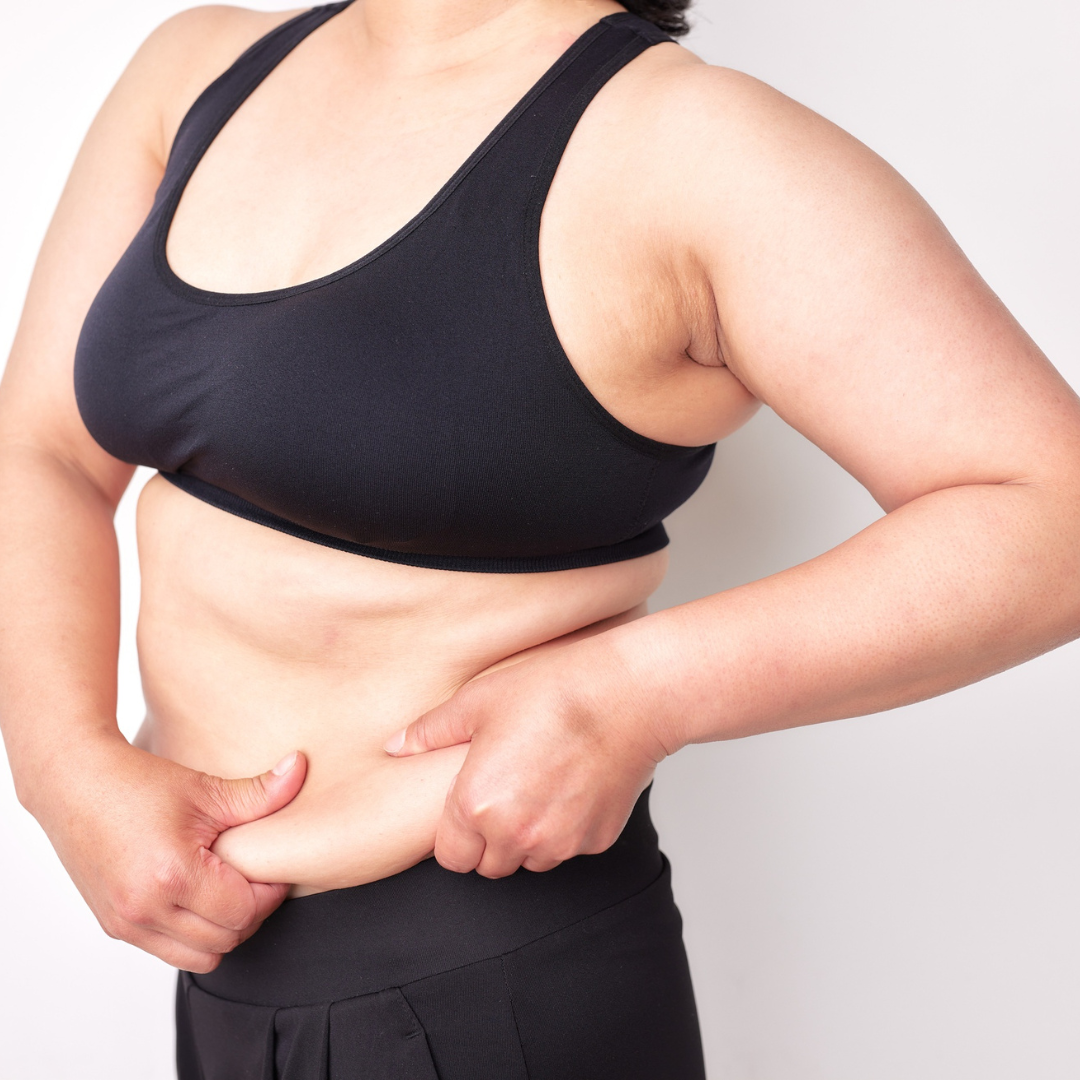
Pregnancy and childbirth can lead to lasting changes in the abdomen, breasts, skin and overall body proportions.
For some women, these changes gradually improve as the body recovers. For others, concerns such as loose abdominal skin, changes in breast volume or position, localised fat deposits or abdominal wall changes may remain despite a healthy lifestyle.
This can lead to an important question: when is the right time to consider plastic surgery after pregnancy?
There is no single timeline that applies to everyone. Surgical suitability depends on individual recovery, overall health, weight stability, breastfeeding status, future pregnancy plans, anatomy and the procedures being considered.
A personalised medical assessment is therefore an important part of deciding whether surgery may be appropriate.
Why Timing Matters After Pregnancy
The body continues to change for some time after childbirth.
During pregnancy, the abdominal wall stretches significantly, the skin expands and the breasts may change in volume and shape. Weight can also fluctuate during pregnancy and the months that follow.
For this reason, considering surgery too early may make it more difficult to assess which changes are likely to improve naturally and which may persist.
Allowing appropriate recovery time gives the body an opportunity to stabilise before surgical options are discussed.
If you are still trying to understand which changes may persist after childbirth, read our guide to body changes after pregnancy.
What Changes Can Persist After Pregnancy?
Post-pregnancy changes vary considerably between patients.
They may include:
- loose or excess abdominal skin
- changes in abdominal contour
- diastasis recti or abdominal wall separation
- localised fat deposits
- changes in breast volume
- changes in breast position or shape
- stretch marks
- changes in overall body proportions
These concerns do not necessarily mean that surgery is required.
Exercise, physiotherapy, nutrition and time can all play important roles in post-pregnancy recovery. However, some anatomical changes may remain despite appropriate lifestyle measures.
For example, significant excess skin cannot be removed through exercise, while abdominal wall concerns may require individual clinical assessment to determine the most appropriate management.
Our guide to diastasis recti after pregnancy explains when exercise or physiotherapy may help and when surgical assessment may be considered.
Why Weight Stability Is Important Before Surgery
Weight stability is an important consideration when planning elective plastic surgery.
Significant weight changes after an operation can affect body proportions and potentially influence the appearance of surgical results.
Therefore, patients are generally assessed individually to determine whether their weight and overall health are appropriate for the procedure being considered.
This becomes particularly relevant for procedures designed to address abdominal or post-pregnancy changes.
For patients with significant loose abdominal skin, a Tummy Tuck may be considered following individual surgical assessment.
When several areas have changed after pregnancy, a personalised Mummy Makeover may combine appropriate procedures within one treatment plan when clinically suitable.
Breastfeeding and Surgical Planning
Breastfeeding can also influence the timing of certain procedures.
During pregnancy and breastfeeding, breast volume and shape may continue to change. Allowing these changes to settle can help the surgeon assess the patient’s anatomy more accurately.
This can be particularly relevant when considering procedures such as breast augmentation, breast lift or breast reduction.
The appropriate timing varies between patients and should be discussed during consultation rather than determined according to a fixed rule.
If breast and abdominal concerns are being considered together, a Mummy Makeover in Turkey may be discussed as part of an individual treatment plan.
What About Diastasis Recti?
Diastasis recti refers to an increased separation between the two sides of the rectus abdominis muscles and is common during and after pregnancy.
Some patients may experience improvements in abdominal function, core control and symptoms through appropriate exercise or physiotherapy.
However, results vary considerably.
A clinical assessment can help determine the extent of abdominal wall changes, associated symptoms and whether continued conservative management or a surgical option should be considered.
Learn more in our guide: Can Diastasis Recti Be Fixed Without Surgery?
Does Having a Caesarean Section Affect Plastic Surgery?
Previous Caesarean sections are an important part of a patient’s surgical history and should be discussed during consultation.
The surgeon may assess existing scars, abdominal anatomy, skin quality and previous healing before recommending treatment.
Having previously undergone a Caesarean section does not by itself determine whether someone is suitable for plastic surgery.
Suitability depends on the individual patient’s anatomy, medical history, health and proposed procedure.
What If You Are Planning Another Pregnancy?
Future pregnancy plans are another important consideration.
Pregnancy after procedures such as tummy tuck or breast surgery can cause further changes to the skin, abdominal wall and breasts.
For this reason, future pregnancy plans should be discussed openly with the surgeon when considering elective post-pregnancy surgery.
The aim is not simply to decide whether an operation can be performed, but whether the timing makes sense for the individual patient’s circumstances and long-term goals.
How Do Plastic Surgeons Assess Whether You Are Ready?
A proper consultation looks beyond the appearance of one individual area.
A surgeon may consider:
- your medical history
- previous pregnancies and surgery
- abdominal wall anatomy
- skin quality and laxity
- breast volume, position and shape
- fat distribution
- weight stability
- breastfeeding status
- future pregnancy plans
- current symptoms
- overall health
- expectations and treatment goals
This assessment helps determine not only whether surgery may be appropriate, but also which procedure or combination of procedures should be considered.
At Clinic Phaselis, Dr İsmail Gökhan Bacak assesses patients individually before recommending a surgical treatment plan.
Which Procedures May Be Considered After Pregnancy?
There is no standard operation for post-pregnancy body changes.
The appropriate treatment depends on the patient’s anatomy and individual concerns.
Patients with significant loose abdominal skin may discuss whether a Tummy Tuck is appropriate following an individual surgical assessment. Liposuction alone does not address excess skin.
Loss of breast volume may lead some patients to consider Breast Augmentation, depending on their anatomy and treatment goals.
Changes in breast position or sagging may make a Breast Lift another option to discuss during consultation.
Liposuction can address appropriate localised fat deposits, but it does not remove significant excess skin or correct abdominal wall separation.
When several post-pregnancy concerns are present, a Mummy Makeover may combine appropriate procedures within an individually planned surgical approach.
Choosing the appropriate procedure begins with understanding your anatomy rather than selecting surgery based on photographs or social media.
Tummy Tuck or Mummy Makeover After Pregnancy?
These procedures address different treatment needs.
A tummy tuck focuses primarily on the abdomen. Depending on individual anatomy and surgical planning, it may involve removing excess abdominal skin and addressing abdominal wall concerns when appropriate.
A Mummy Makeover is broader.
It is not one standard operation, but a personalised combination of procedures that may address more than one area affected by pregnancy.
For example, an individual treatment plan may include abdominal and breast procedures when clinically appropriate.
Patients primarily concerned about their abdomen can explore our Tummy Tuck Turkey package.
Patients considering treatment for several post-pregnancy concerns can explore our Mummy Makeover Turkey package.
Why a Personalised Consultation Matters
Two patients may appear to have similar concerns but require very different treatment plans.
One patient may primarily have excess skin.
Another may have abdominal wall changes.
Another may be concerned about breast volume or position.
Some patients may benefit from continued recovery or conservative management rather than surgery.
This is why treatment recommendations should follow an individual assessment rather than a standard package or predetermined combination of procedures.
If you are researching treatment abroad, our Plastic Surgery in Turkey guide explains the wider considerations involved in choosing a clinic, surgeon and treatment pathway.
Frequently Asked Questions About Plastic Surgery After Pregnancy
How soon after pregnancy can I have plastic surgery?
There is no single timeframe that applies to every patient. Timing depends on recovery, overall health, weight stability, breastfeeding status, the procedure being considered and individual anatomy. A surgeon should assess these factors before recommending treatment.
Should I wait until I have finished breastfeeding?
Breastfeeding can influence breast volume and shape, so it is an important consideration when planning breast surgery. Appropriate timing should be determined individually during consultation.
Can I have a Mummy Makeover after a Caesarean section?
Previous Caesarean surgery does not automatically prevent a patient from being considered for a Mummy Makeover. Existing scars, abdominal anatomy, medical history and overall surgical suitability should be assessed individually.
Should my weight be stable before plastic surgery?
Weight stability is an important consideration for many elective body-contouring procedures because significant subsequent weight changes may affect body proportions and the appearance of results.
Can exercise improve my abdomen after pregnancy?
Exercise and appropriate physiotherapy may improve strength, core function and symptoms in some patients. However, exercise cannot directly remove significant excess skin. The appropriate approach depends on the anatomical changes involved.
Do post-pregnancy body changes mean I need surgery?
No. Surgery is not necessary or appropriate for everyone. Recovery varies considerably, and treatment decisions should take into account anatomy, symptoms, health, expectations and individual goals.
Can I have another pregnancy after plastic surgery?
Future pregnancy may cause further changes to areas previously treated surgically. Patients considering another pregnancy should therefore discuss their plans with their surgeon when deciding on the timing of elective surgery.
Making an Informed Decision After Pregnancy
The right time for plastic surgery after pregnancy is different for every patient.
Rather than focusing on a specific number of months after childbirth, the decision should consider recovery, weight stability, breastfeeding, future pregnancy plans, overall health and the anatomical changes that remain.
For some patients, continued recovery, exercise or physiotherapy may be appropriate.
For others, surgery may be considered following a detailed assessment.
The objective is not to rush into treatment, but to understand what has changed and which options may realistically address those concerns.
Related Guides
If you are researching post-pregnancy treatment or plastic surgery in Turkey, you may also find these guides useful:
What Happens to Your Body After Pregnancy?
Can Diastasis Recti Be Fixed Without Surgery?
Mummy Makeover Before and After: What Results Are Realistic?
How to Choose a Plastic Surgeon in Turkey
How to Compare Plastic Surgery Clinics in Turkey
Plastic Surgery in Turkey: Complete Patient Guide
Considering Plastic Surgery After Pregnancy?
If post-pregnancy body changes remain a concern, an individual consultation can help identify what may be contributing to them and whether continued recovery, conservative management or surgery should be considered.
At Clinic Phaselis, treatment planning begins with an individual assessment of your anatomy, medical history, concerns and goals.
Request Your Free Online Consultation to discuss your options with our team.
📞 UK Line +44 330 777 2205
💬 WhatsApp support available